Subcontratista de precisión fiable para talleres de herramientas








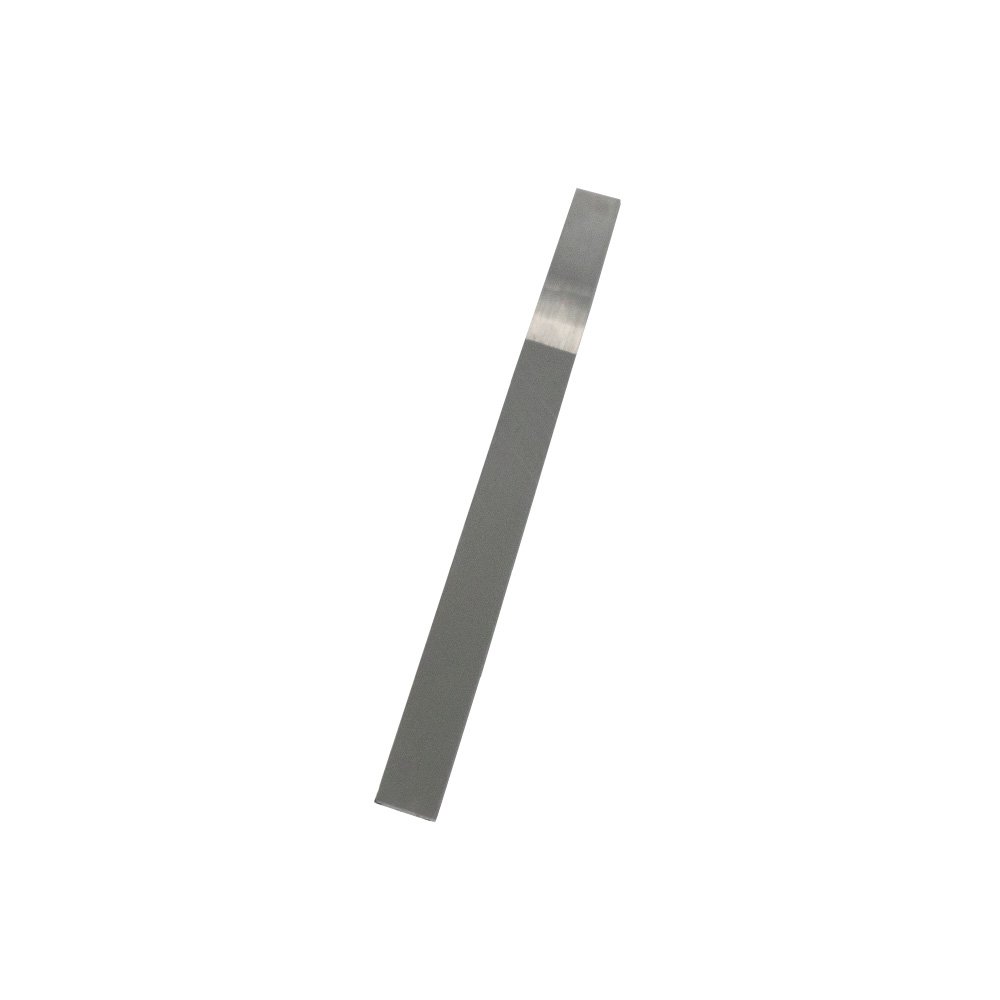
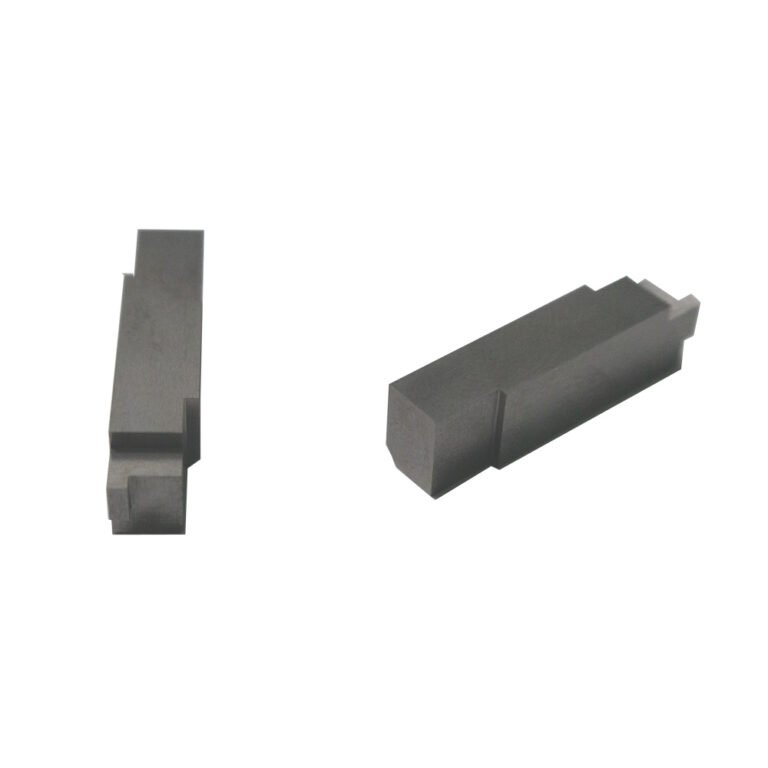
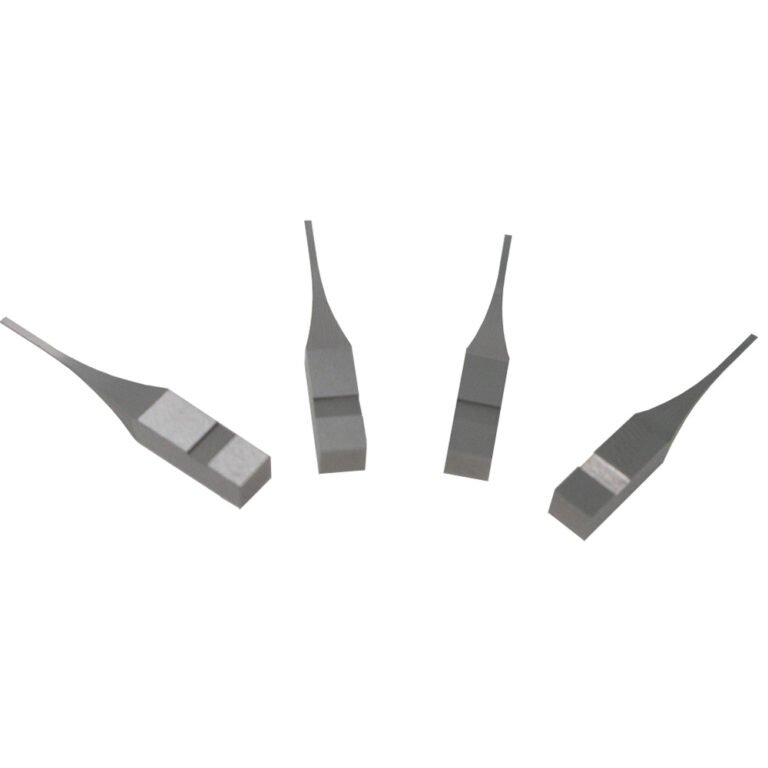
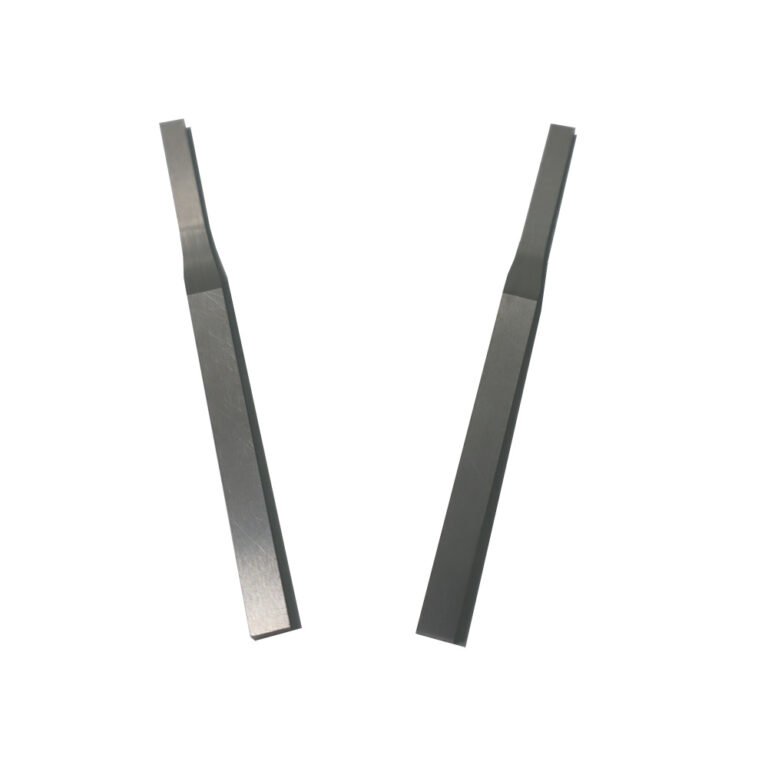
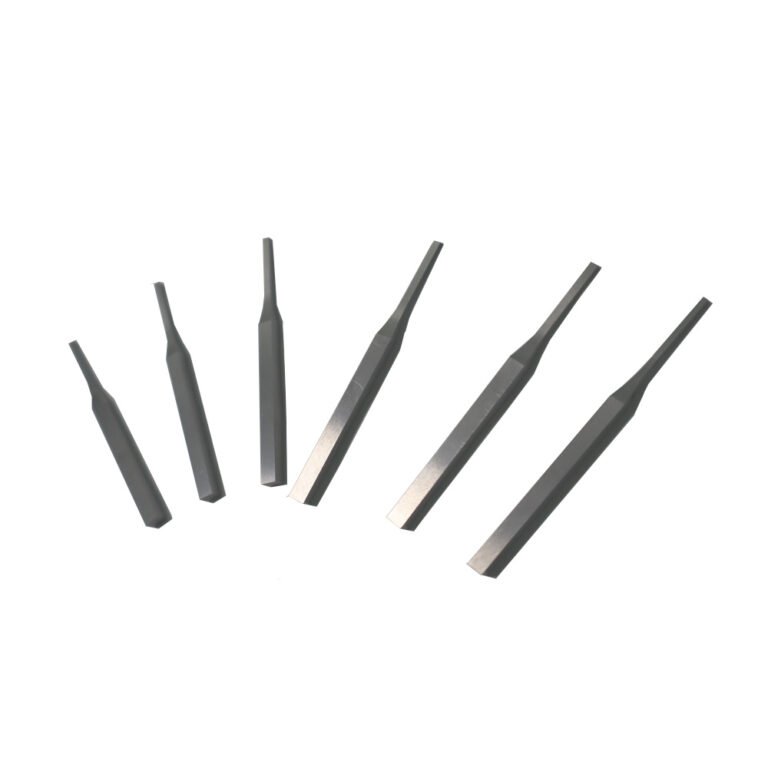
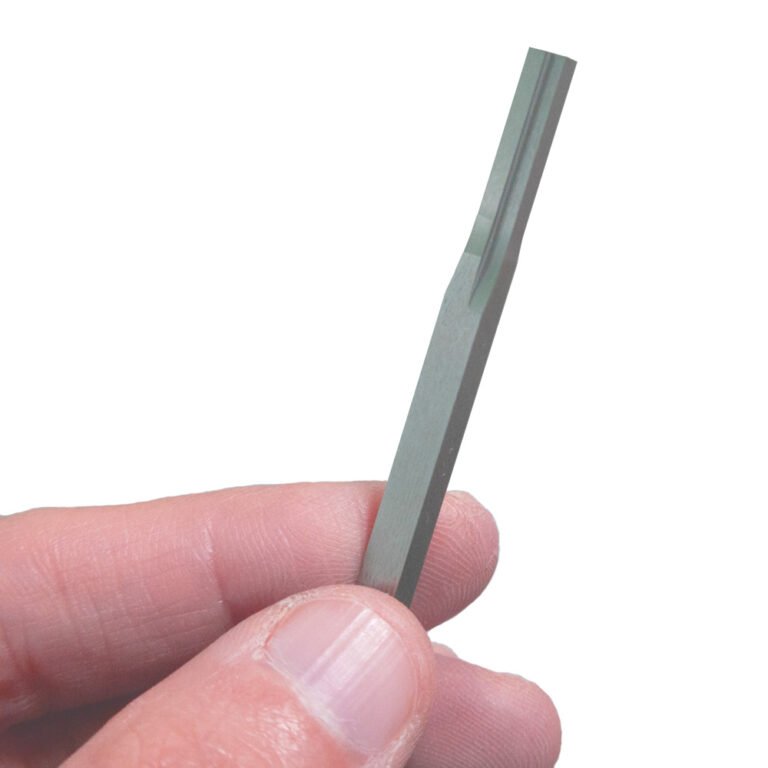
Punzón de rectificado PG para matrices de estampación progresiva
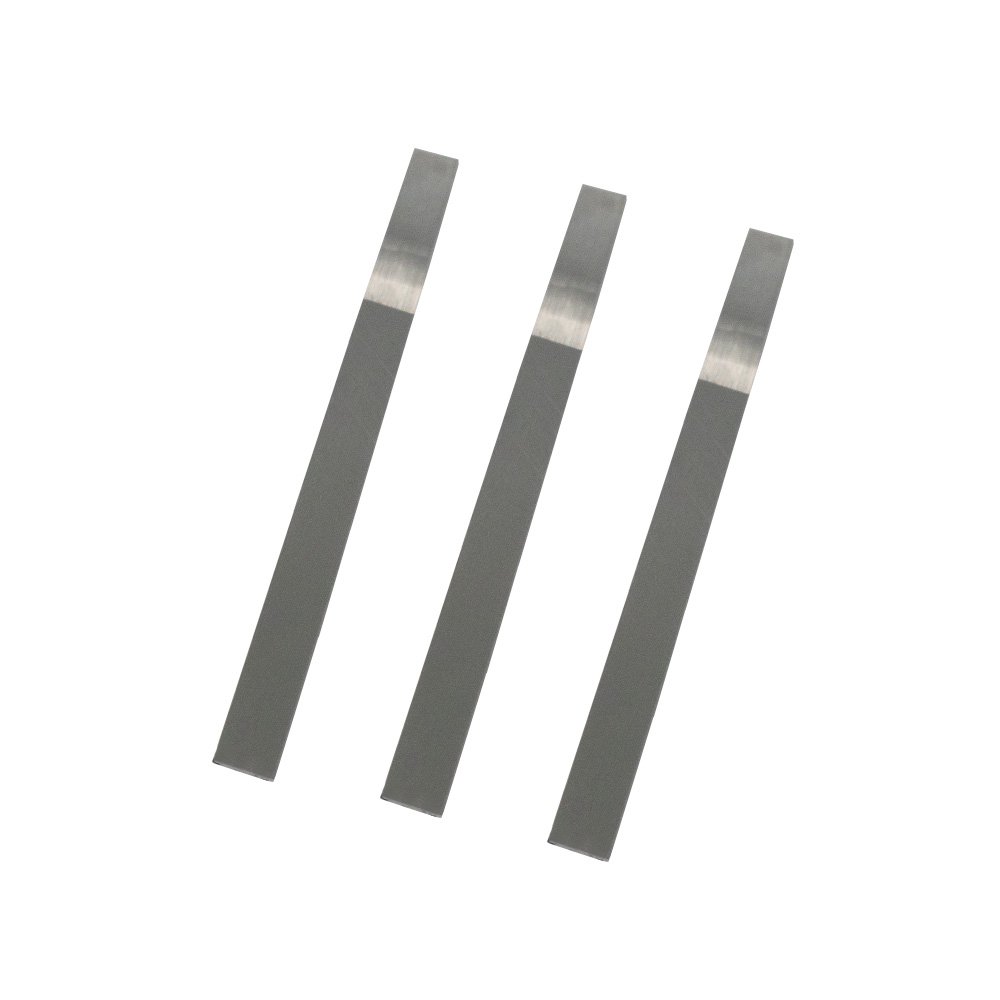
Punzón de rectificado PG para matrices de estampación progresiva
Precisión de rectificado PG Alcance ±0,001 mm
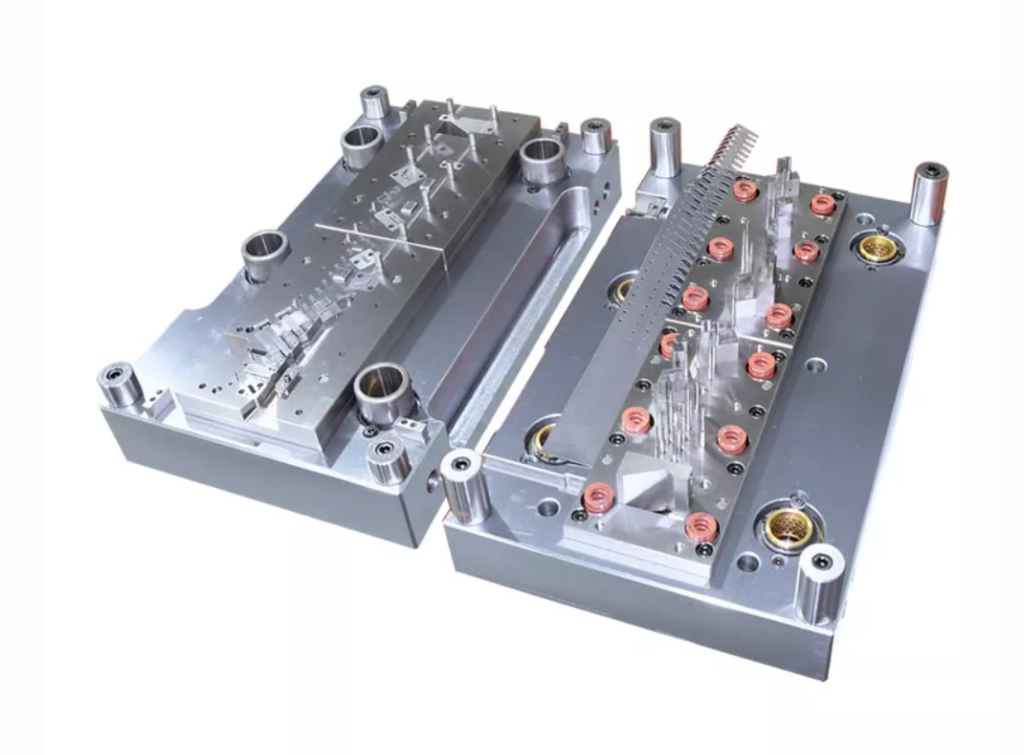
El punzón de rectificado PG está diseñado para aplicaciones exigentes de estampación y utillaje. En estas aplicaciones, la precisión dimensional y la consistencia del perfil son fundamentales. PG es una tecnología que utiliza rectificado óptico de perfiles. Permite un control superior de los bordes afilados, los contornos complejos y las microcaracterísticas, garantizando un rendimiento estable en troqueles de precisión.
Capacidades técnicas
| Parámetro | Valores típicos / Notas |
|---|---|
| Precisión dimensional | ±0,001 mm |
| Rugosidad superficial (Ra) | 0,1 - 0,2 μm típico |
| Repetibilidad | ±0,002 mm |
| Tamaño mínimo | 0,1 mm borde/ranura |
| Tamaño máximo de la pieza | Hasta 400 mm × 200 mm × 150 mm (depende del modelo de máquina) |
| Dureza máxima del material | HRC 68 (carburo de tungsteno, acero para herramientas) |
Punto clave: PG destaca en piezas pequeñas, delicadas o de paredes finas sin deformación.
Geometría de perfil limpia y exacta, control preciso del radio (R) y acabado superficial liso
Cada golpe de molienda PG es geometría de perfil limpia y exacta, control preciso del radio (R) y acabado superficial liso. Son importantes para reducir el desgaste, mejorar la vida útil del punzón y garantizar una calidad de corte constante durante operaciones de estampación de gran volumen. El proceso PG es especialmente adecuado para los punzones siguientes:
El proceso de rectificado PG admite una amplia gama de materiales. Como referencia, Belows son los materiales más utilizados.
Carburo de tungsteno
(WC-Co)
Punzón HSS pulvimetalúrgico
(PM-HSS)
Punzón de acero rápido
(HSS M2)
Punzón de acero para herramientas de trabajo en frío
(DC53)
En una palabra, están disponibles tanto en condiciones blandas como endurecidas. Y todo ello en función de los requisitos de diseño y aplicación. Para satisfacer las necesidades funcionales de cada diseño de punzón específico, PG Grinding controla el estado de la superficie y la calidad del filo, la geometría del perfil.
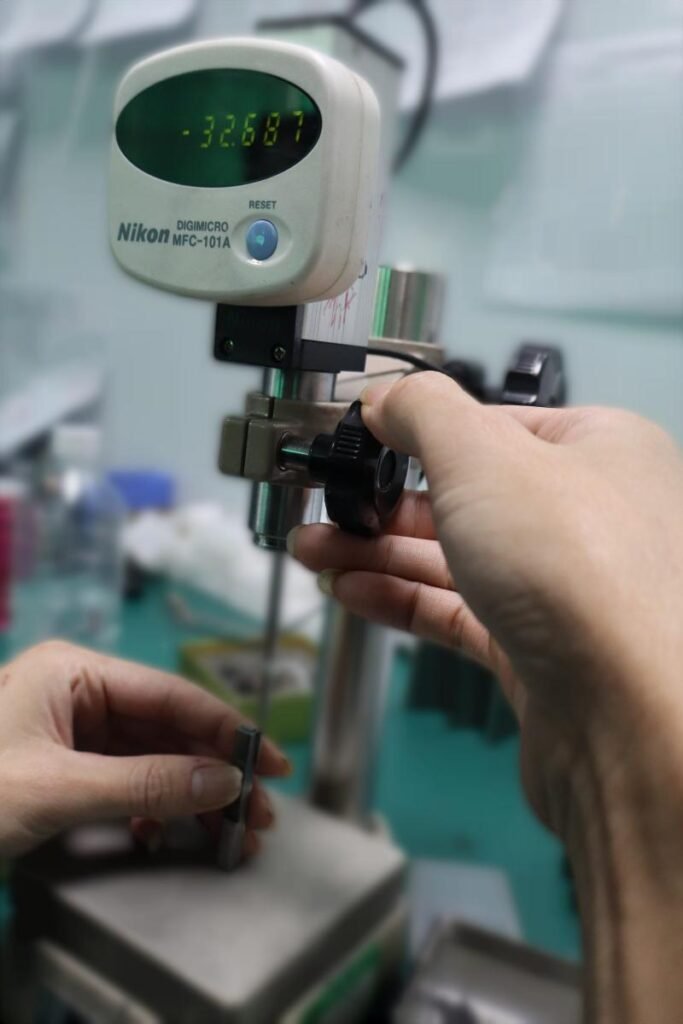
Durante el proceso de fabricación, aplicamos la inspección dimensional y el control de procesos. Este paso garantiza la coherencia y la repetibilidad, asegurando que nuestros punzones de rectificado PG sean adecuados tanto para el desarrollo de prototipos como para la producción repetida. Hepha Precision admite diseños personalizados, pedidos de lotes pequeños y plazos de entrega estables. Por lo tanto, los dibujos técnicos son bienvenidos para su evaluación. Además, cada proyecto se gestiona con un enfoque orientado a las herramientas para garantizar un rendimiento fiable en aplicaciones de estampación reales.

 English
  Korean
  Japanese
  Spanish
  Portuguese
  French
  German