Subcontratista de precisión fiable para talleres de herramientas








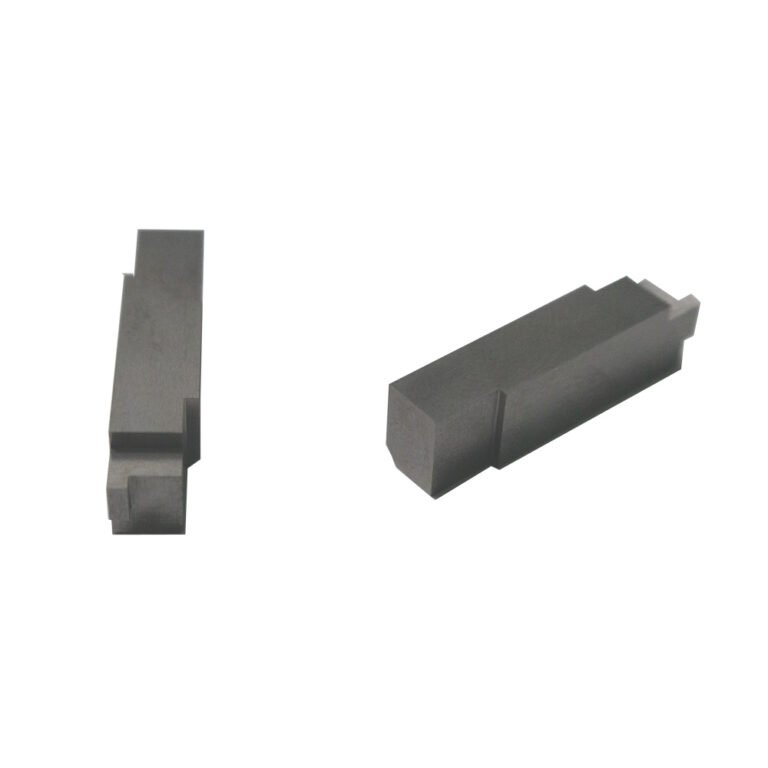
High Precision Die Punch for Progressive & Precision Stamping
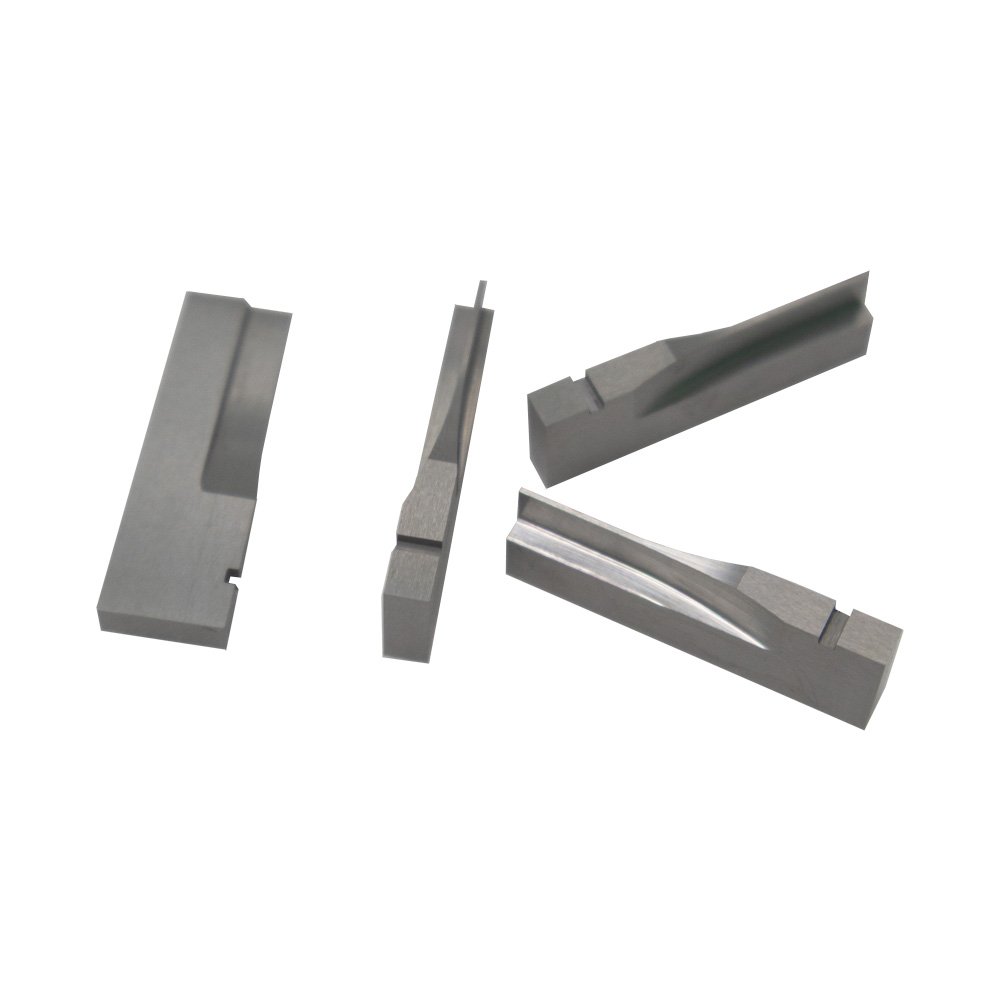
High Precision Die Punch for Progressive & Precision Stamping
Material And Process
High Precision Die Punch is made of premium tungsten carbide and finished by advanced PG profile grinding, ensuring outstanding dimensional accuracy, edge quality, and long service life.
Applications
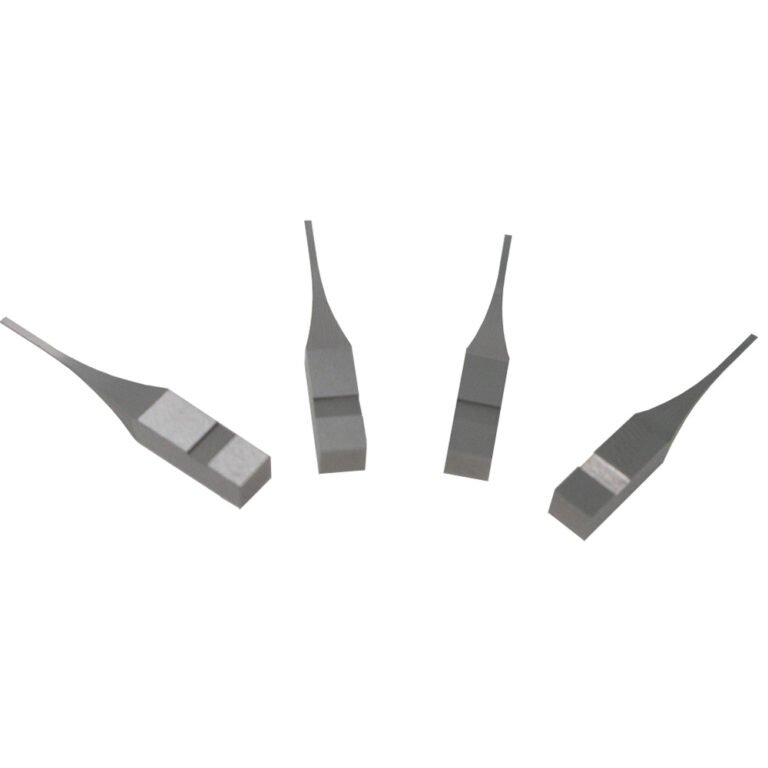
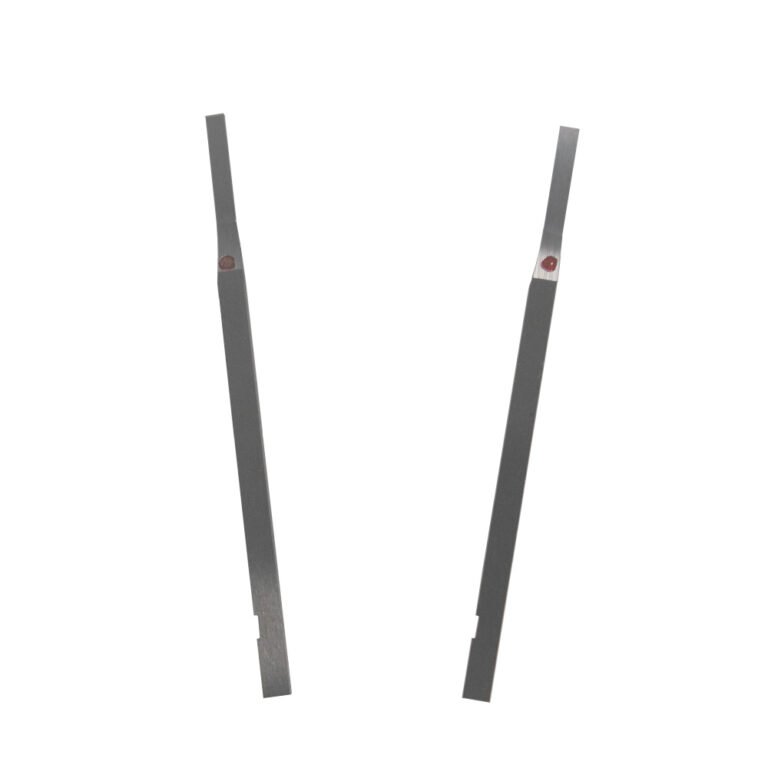
This die punch is specifically designed for progressive dies and high-precision stamping applications, where tight tolerances, stable performance, and wear resistance are critical. PG profile grinding allows complex punch profiles, sharp cutting edges, and consistent repeatability, making it ideal for both standard and non-standard punch designs
Key Features
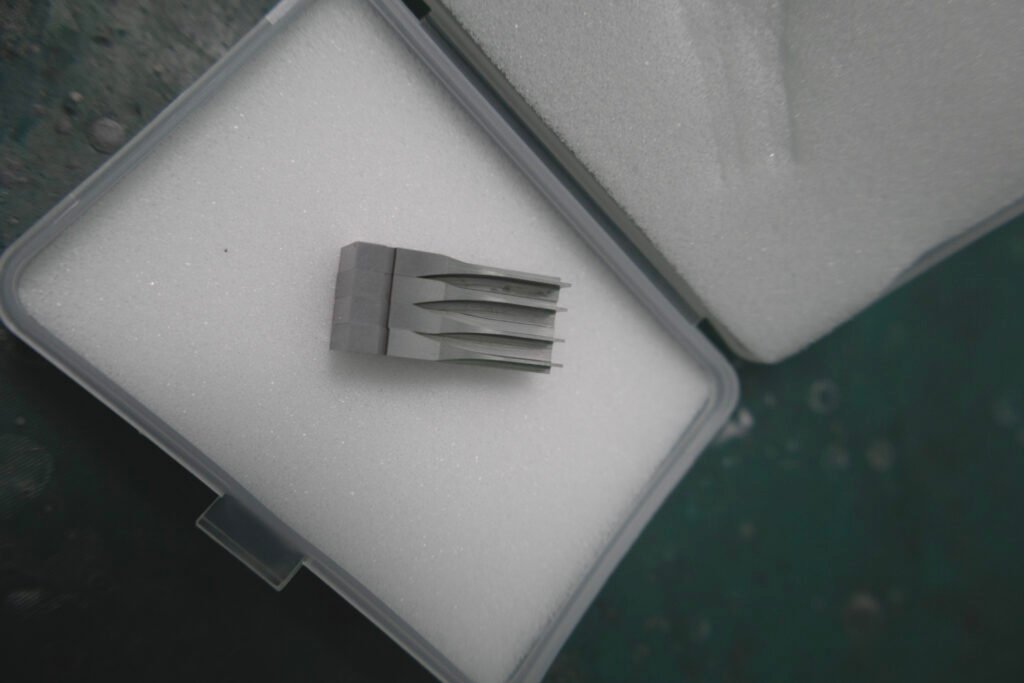
All perfora are produced strictly according to customer drawings. Material selection optimized based on application conditions such as stamping material, production volume, and tool life requirements.


Technical Capabilities
| Parameter | Typical Values / Notes |
|---|---|
| Dimensional accuracy | ±0.001 mm |
| Surface roughness (Ra) | 0.1 – 0.2 μm typical |
| Repeatability | ±0.002 mm |
| Minimum feature size | 0.1 mm edge/slot |
| Maximum part size | Up to 400 mm × 200 mm × 150 mm (depends on machine model) |
| Max material hardness | HRC 68 (tungsten carbide, tool steel) |
Key point: PG excels at small, delicate, or thin-walled parts without deformation.
Clean and Accurate Profile Geometry, Precise Radius (R) Control and Smooth Surface Finish
Every PG grinding punch is clean and accurate profile geometry, precise radius (R) control, and smooth surface finish. They are important for reducing wear, improving punch life, and ensuring consistent cutting quality during high-volume stamping operations.
FAQs
What tolerance can you achieve with PG optical profile grinding?
What is the minimum radius / sharp corner you can grind?
Can you grind complex or asymmetric profiles?
What materials do you work with?
Do you have experience with connector molds / precision stamping dies?
Can PG grinding replace wire EDM for certain profiles?
What is your typical lead time?
Is there a minimum order quantity (MOQ)?
How do you protect customer drawings and intellectual property (IP)?
Why choose PG optical profile grinding instead of standard grinding?



 English
  Korean
  Japanese
  Spanish
  Portuguese
  French
  German