工具工場向けの信頼できる精密下請業者







高精度パンチとインサートにPG研削が不可欠な理由
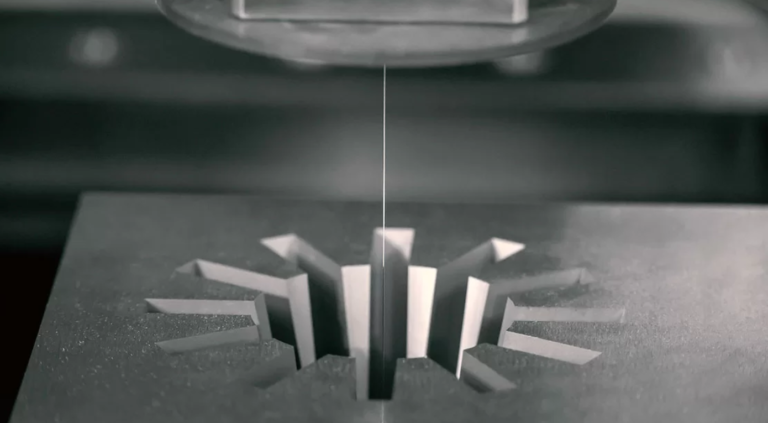
Today, the demand for higher precision, stable assembly and longer tool life continues to increase. The demand brings a great challenges for mold and stamping die manufacturing. As core functional components of tooling systems, punches and inserts directly influence cutting quality, dimensional consistency, as well as overall die performance. Among many machining methods, PG (Optical Profile) Grinding plays a vital role in achieving the precision required for these components.
Advantages of PG Grinding
Accurate Profile Geometry for Reliable Tooling Performance
PG grinding can produce highly accurate profile geometry. It allows precise control of complex contours, sharp edges, and intricate shapes. Therefore, it is critical for punches and inserts with forming profiles, stepped geometries, or special cutting edges.
During stamping process, accurate profiles ensure proper material shearing. What’s more, it help reduce uneven wear, burr formation, and dimensional variation in stamped parts.

Precise Radius Control and Clean Transitions
In tooling performance, Radius geometry is very critical. However, it’s often underestimated. As a result, stress concentration, premature chipping, or fitting issues during assembly happen.
PG enables precise radius control and clean profile transitions ensuring smooth load distribution. It helps improve t durability of punches and inserts.
For micro punches and small inserts, dimensions are typically only a few millimeters. PG level control becomes even more important.
Improved Fit and Assembly Accuracy

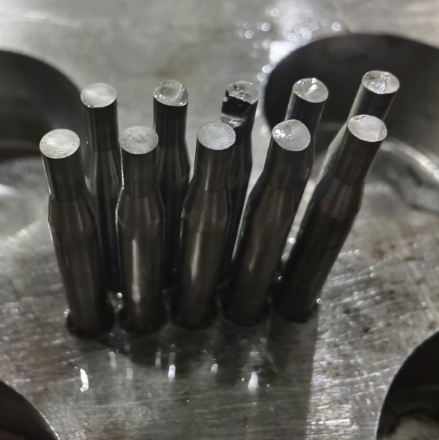
PG grinding is widely used for punches and inserts that require tight fitting within stamping dies and mold assemblies. During die assembly, high dimensional accuracy and repeatability help reduce fitting adjustments. The high level accuracy helps saving time for mold engineers and minimizing rework during trial runs.
What’s more, consistent fitting accuracy contributes to stable tool performance across repeat production and replacement components.
Ideal for Micro and Non-Standard Tooling Components
Currently, the mold industries trend to miniaturization and high-density tooling designs. Therefore, many punches and inserts now feature micro dimensions and complex non-standard shapes. PG grinding likes duck to water for these applications, allowing controlled machining of small features while maintaining surface quality and dimensional stability.
結論
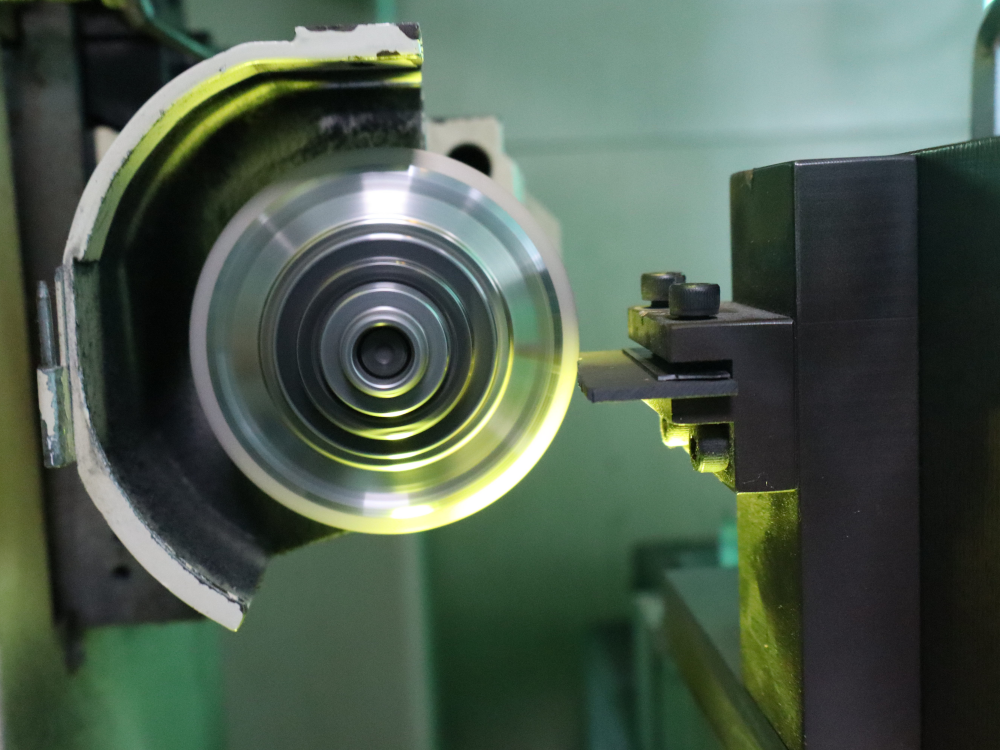
For mold and stamping die manufacturings, PG grinding is a key precision technology. It directly affects tooling performance, reliability, and service life. By enabling accurate profiles, controlled radii, and stable tolerances, PG grinding helps engineers build tooling systems that perform consistently under demanding production conditions.
Looking for custom PG grinding punches or inserts? Drawings are welcome for technical review.
 English
  Korean
  Japanese
  Spanish
  Portuguese
  French
  German