Reliable Precision Subcontractor for Tool Shops








PG Grinding vs EDM, Which One Is Better?
In mold and die manufacturing, PG grinding vs EDM are both widely used processes for producing precision punches, inserts, and tooling components. As each method has its own strengths, selecting the correct process is critical to achieving the required accuracy, surface condition, and tooling performance. This artical aims to guild mold engineers understanding when to choose PG grinding instead of EDM so that can improve quality and efficiency.
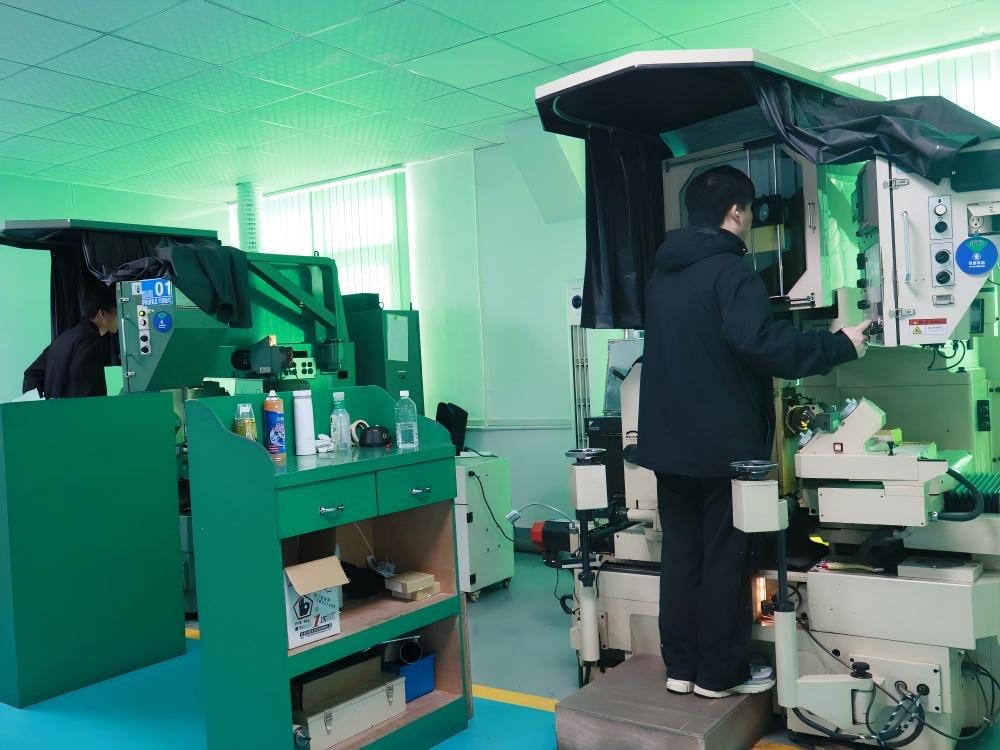
Profile Accuracy and Edge Quality
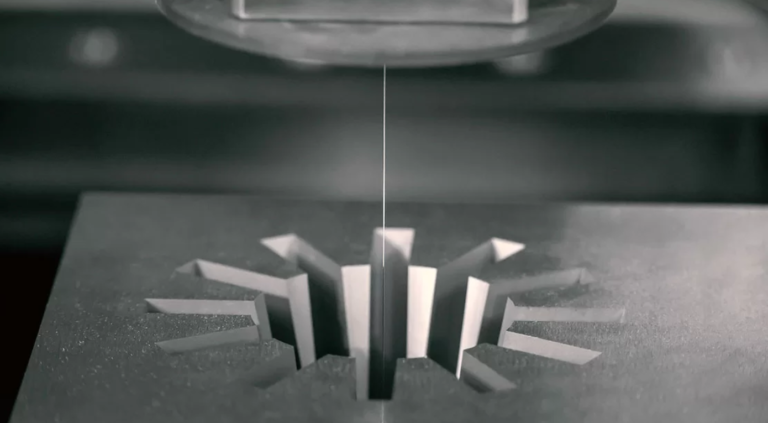
When high profile accuracy and clean cutting edges are required, PG (Optical Profile) Grinding is particularly suitable . Compared to EDM, which removes material through electrical discharge, PG grinding is a mechanical grinding process that produces sharp, well-defined profiles with minimal edge rounding.
For punches and inserts used in stamping dies, clean edge geometry directly affects shearing quality, burr formation, and tool life. When edge sharpness and precise contour control are critical, PG grinding is often the preferred choice.
Radius Control and Smooth Transitions
Radius (R) geometry plays an key role in tooling durability and stress distribution. At this point, the PG grinding technique came into play as it allows precise and consistent radius control, creating smooth transitions between profiles and reducing stress concentration points.
EDM may introduce micro radii or irregular transitions depending on electrode condition and discharge parameters. Therefore, for some tooling components such as forming punches or inserts, where controlled radii are essential, PG grinding is the best choice.
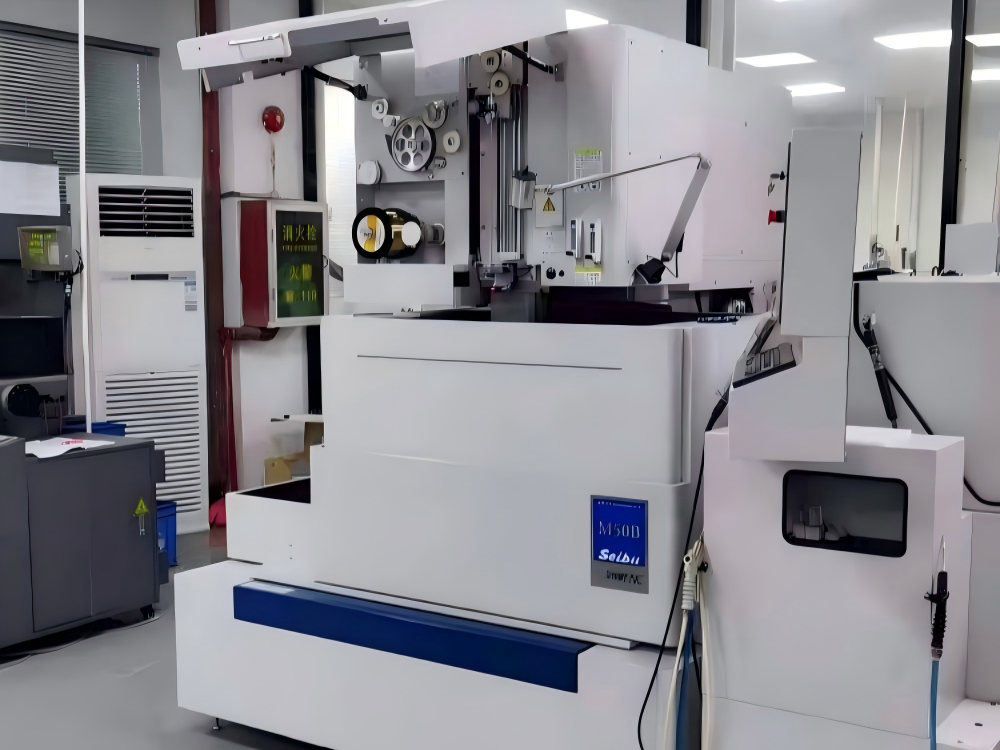
Surface Finish Requirements
Surface finish is another significant factor when choosing PG grinding vs EDM. PG grinding typically gets a smoother surface finish without recast layers or heat-affected zones while EDM surface often require secondary finishing to remove recast layers or improve surface quality. This is very vital for punches and inserts that operate under high contact stress or high-speed stamping conditions. What’s more, PG grinding offers a clear advantage when a smooth functional surface is required directly from the machining process.
Dimensional Stability and Fit Accuracy
For key components in mold and die, tight fitting and stable assembly is required. under this circumstance, PG grinding provides excellent dimensional control and repeatability while EDM is well suited for deep cavities or internal features. In case of external profiles and critical fitting surface, PG grinding often achieves better dimensional stablity.
Non-Standard Especially Micro Tooling Components
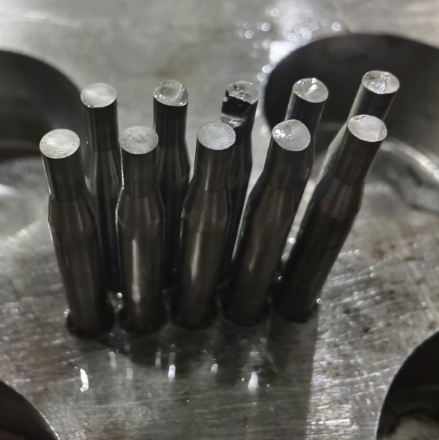
PG grinding has become a favorable solution when coming for micro punches and non-standard tooling shapes. For these components in the 2–3 mm range or with fine profile details, PG grinding offers superior control of geometry and surface quality compared to EDM.
Final Conclusion
PG grinding is the right choice when profile accuracy, edge quality, radius control, and surface finish are critical while EDM is still the good way for complex internal geometries and deep features. In most key precision mold component making such as precision punches and inserts, PG grinding provides the level of control required to make sure reliable performance and long tool life.
 English
  Korean
  Japanese
  Spanish
  Portuguese
  French
  German