Reliable Precision Subcontractor for Tool Shops








Company News
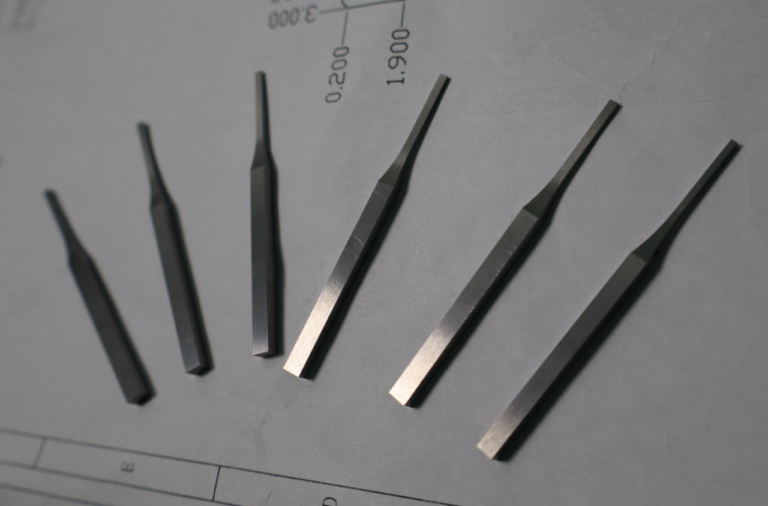
How to Reduce Distortion in Thin Stamping Punches
Thin precision tooling components can be difficult to keep dimensionally stable during machining. Even when the required dimensions are achievable, a part may bend, twist or change shape during material removal or…
Precision Punch Manufacturing: From Preparation to Profile Grinding
Precision punch manufacturing involves more than machining a part to its nominal dimensions. For stamping die applications, the manufacturing route must account for material properties, geometry, critical tolerances and the functional requirements…

Punch Profile Design: Sinker EDM or Profile Grinding?
A small change in punch geometry can sometimes lead to a significantly different manufacturing process. Recently, we received a stamping die punch drawing with a stepped transition in an approximately 11 mm…
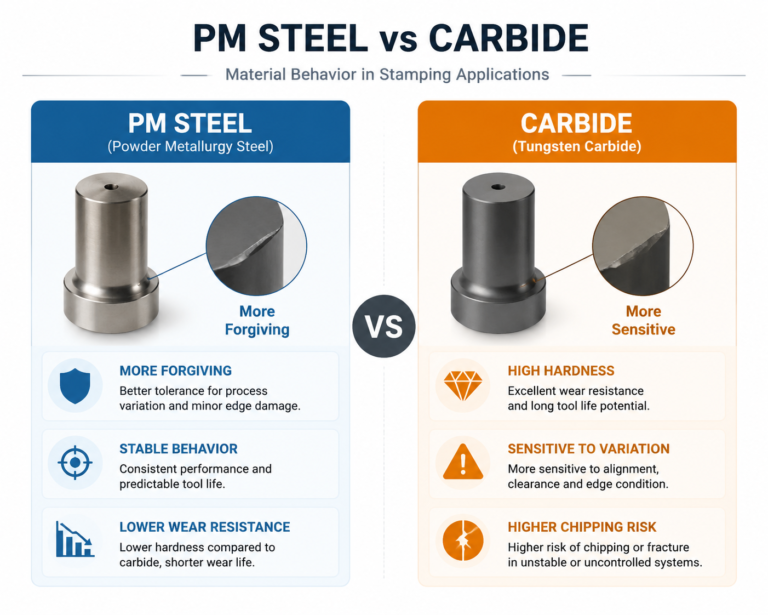
Carbide Punches for Copper Alloy Stamping: Why System Stability Matters More Than Material Alone
In many stamping applications, upgrading from PM steel to carbide is considered a straightforward improvement. Higher hardness. Higher wear resistance. Longer tool life. From a material perspective, the logic seems obvious. However,…
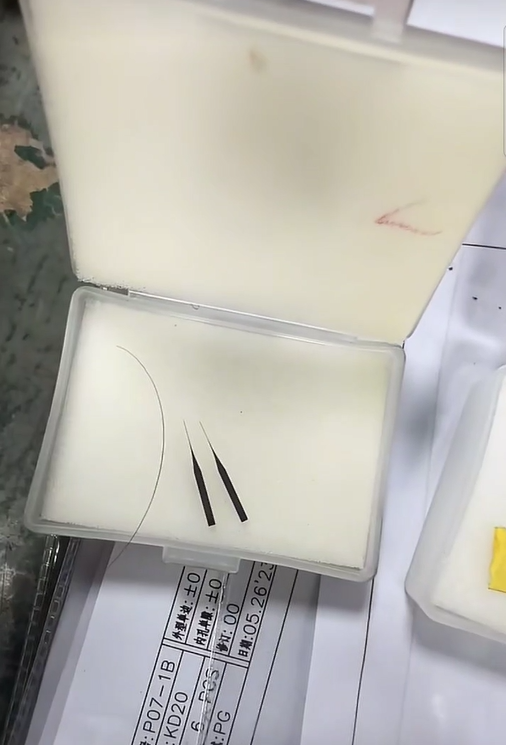
The Fragile Reality of ±0.002mm Batch Consistency in Micro Punch Grinding
A sudden cough, an extra gust of AC air, or a tiny temperature fluctuation—in the world of micro punch grinding, that is all it takes to turn an expensive piece of Tungsten…
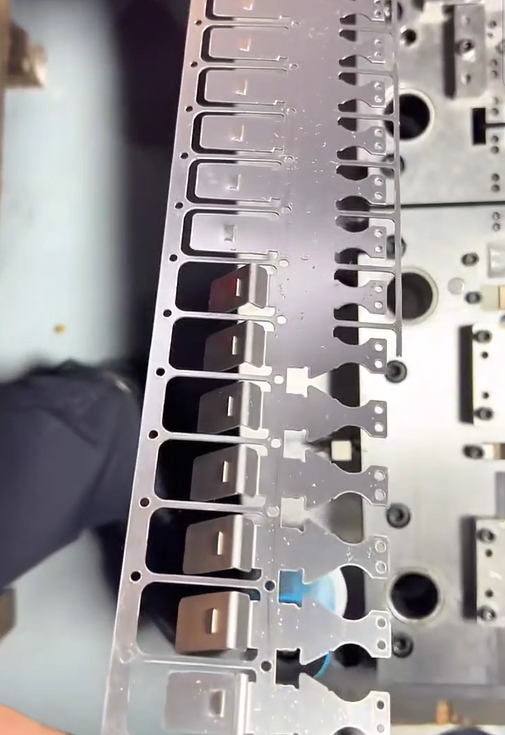
Case Study: The Hidden Reason Behind Metal Slivers and Die Dust in High-Speed Stamping
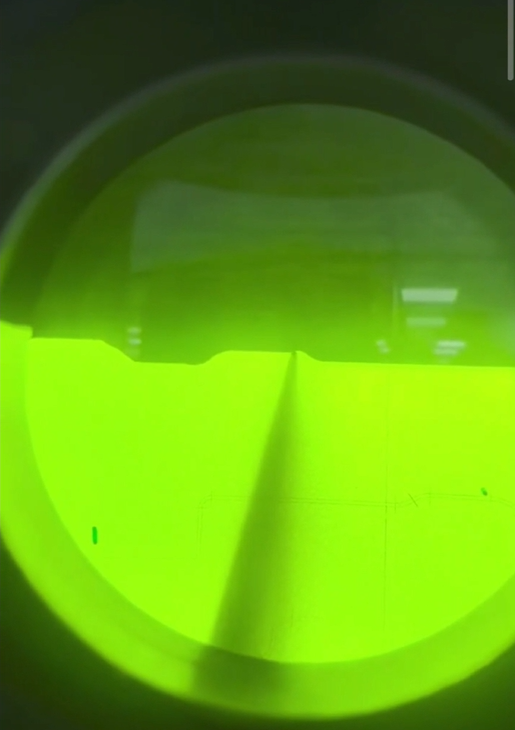
We brought their current punches into our testing lab and inspected the flanks under a 50x projector. The inspection revealed that the root cause wasn’t the press parameters, material hardness, or lubrication…
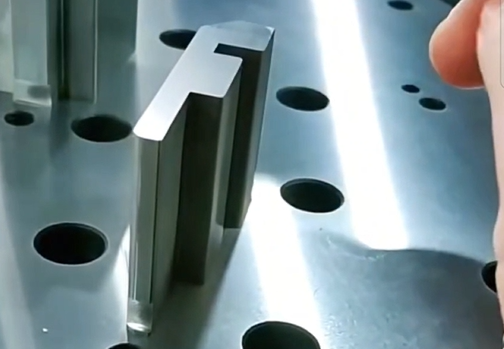
Why Precision PG Grinding is the Only Way to Offset Rising Carbide Costs
In the current manufacturing landscape, Tungsten Carbide is no longer just a raw material—it is a significant capital investment. With prices steadily climbing, treat every carbide punch and insert as a high-value…
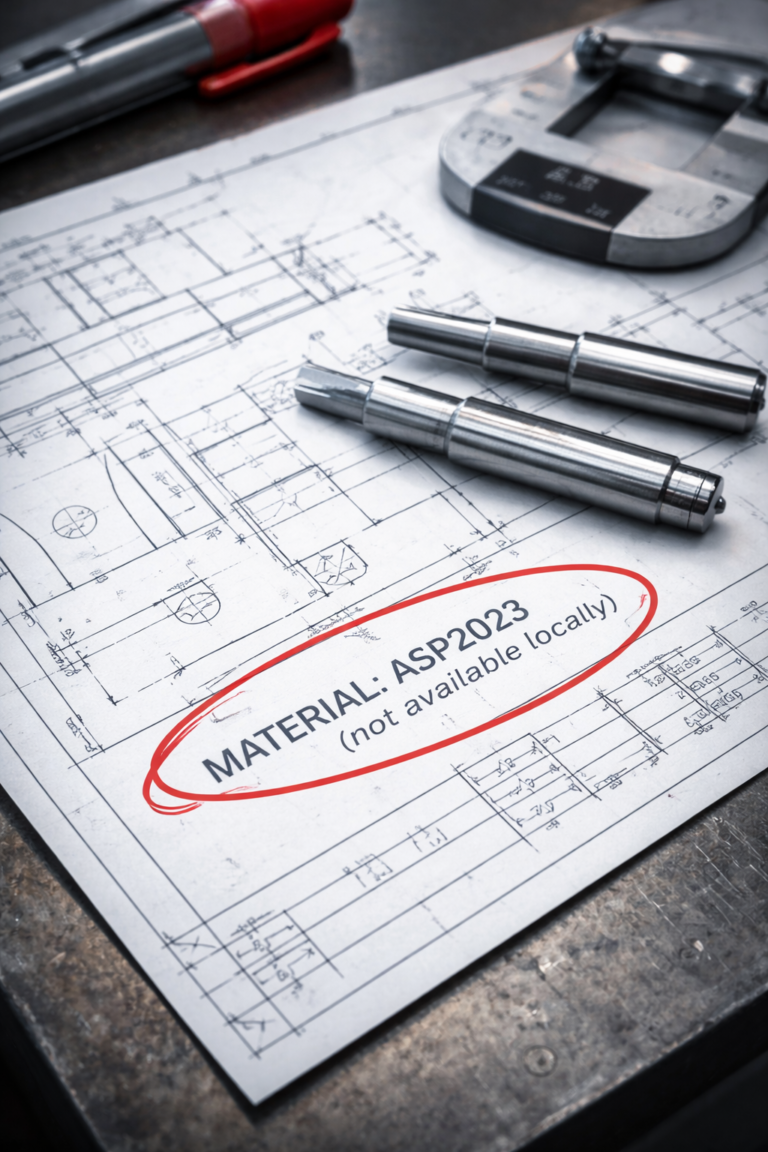
What If Tooling Material Is Not Available?
Material availability issues are quite common in tooling projects. Drawings may specify certain grades that are difficult to source locally, have long lead times, or are no longer widely used. This is…
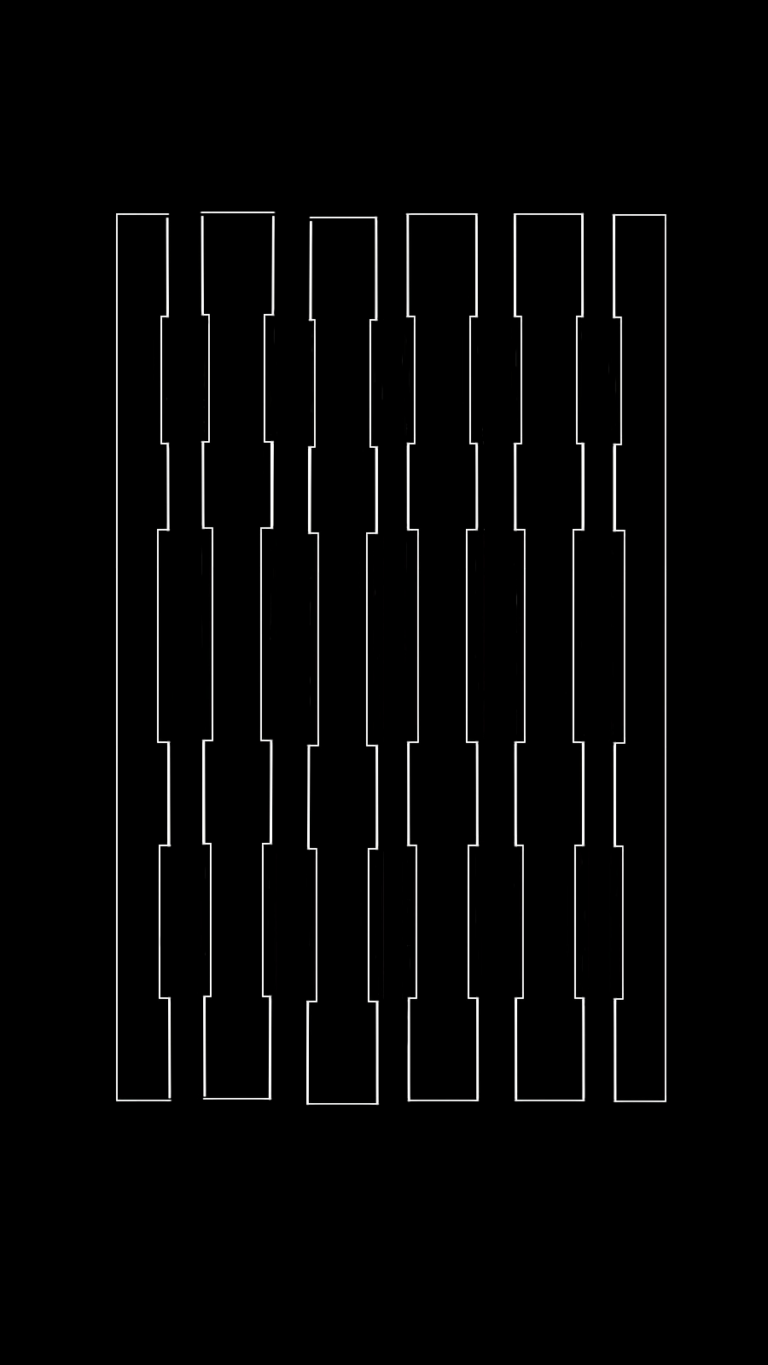
Segmented Tooling Design vs Wire EDM: How PG Grinding Reduces Cost
This results in: Segmented tooling design offers a different approach. Instead of manufacturing a component as a single unit, the structure is divided into multiple functional segments. Each segment can be individually…
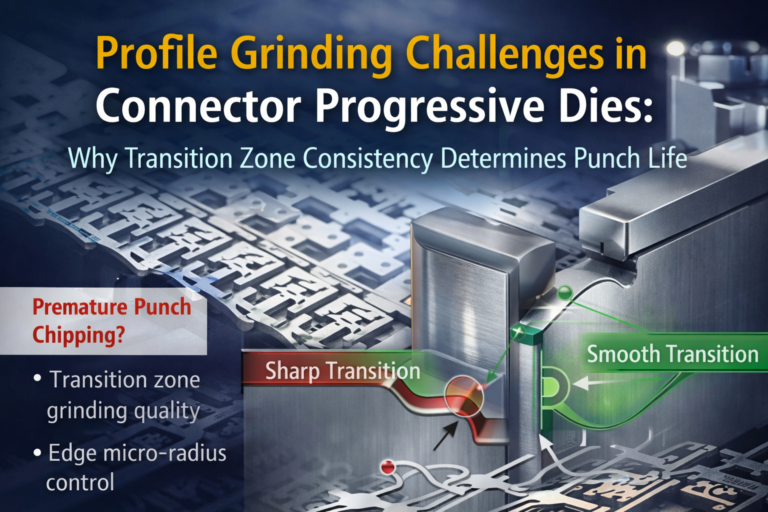
Profile Grinding Challenges in Connector Progressive Dies
In modern connector manufacturing, progressive stamping dies often operate at extremely high speeds — commonly 200 to 400 strokes per minute. At these speeds, punch performance becomes a critical factor in maintaining…
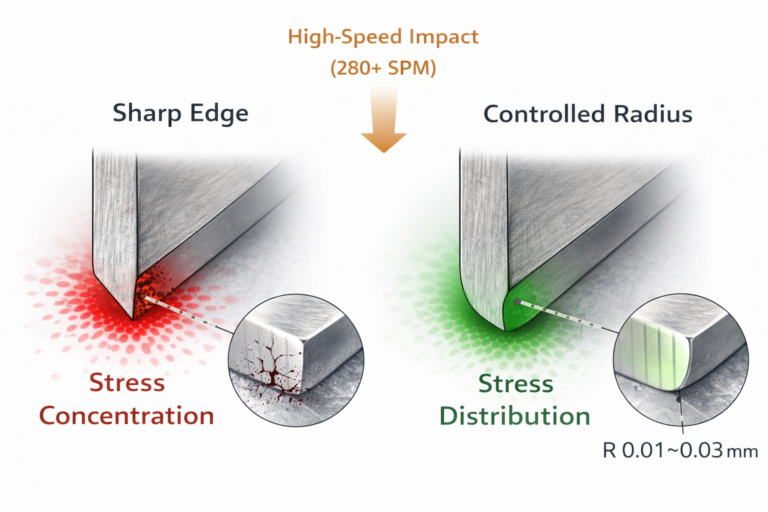
Case Study: Improving Punch Life at 280 SPM Through Edge Radius Control
At high stamping speeds, punch failure is rarely caused by dimension error alone. In this case study, we share how controlled edge radius — not tighter tolerance — improved punch life significantly…
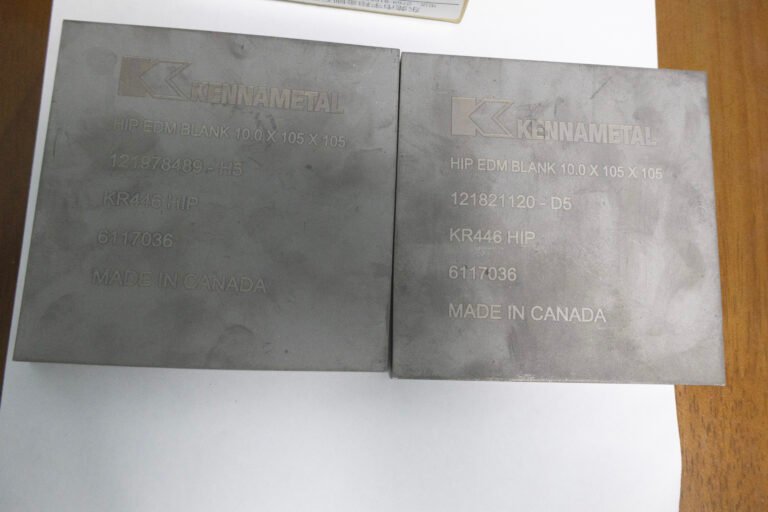
Tungsten Carbide Punches vs Tool Steel Punches
In precision metal stamping, punch materials impact tool life, stamping stability, maintenance cost and overall production efficiency. Tungsten carbide punches and tool steel punches are widely used. In this article, we will…
 English
  Korean
  Japanese
  Spanish
  Portuguese
  French
  German