Reliable Precision Subcontractor for Tool Shops








What If Tooling Material Is Not Available?
Quick Answer
When the required tooling material is not available, the best approach is to identify its key properties and select a suitable alternative based on performance rather than price.
In most cases, you can:
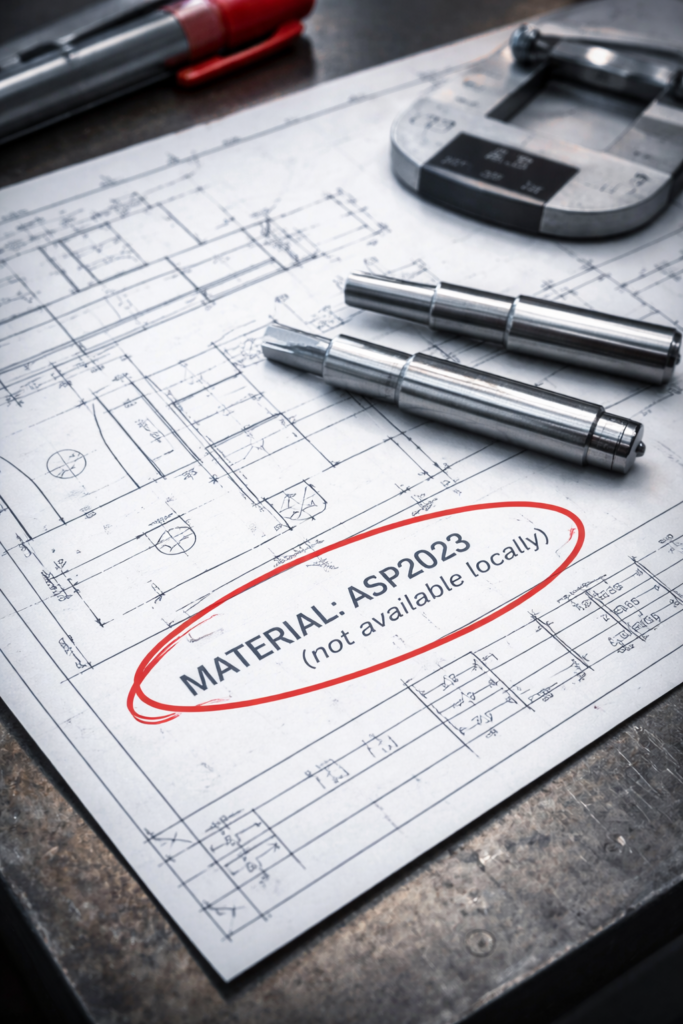
Why does this problem happen?
Material availability issues are quite common in tooling projects. Drawings may specify certain grades that are difficult to source locally, have long lead times, or are no longer widely used.
This is especially true in precision stamping tooling, where small batch quantities make sourcing even more challenging.
Can tooling materials be replaced?
Yes — but only when the function of the material is clearly understood.
Tooling materials are typically selected based on:
If these factors are matched correctly, alternative materials can often achieve similar or even better performance.
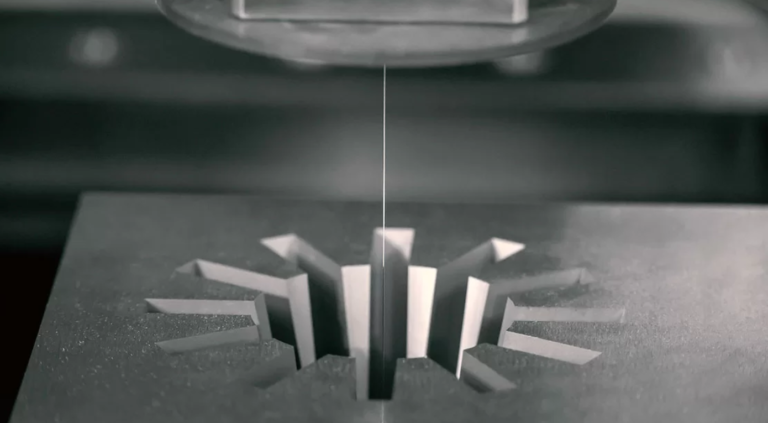
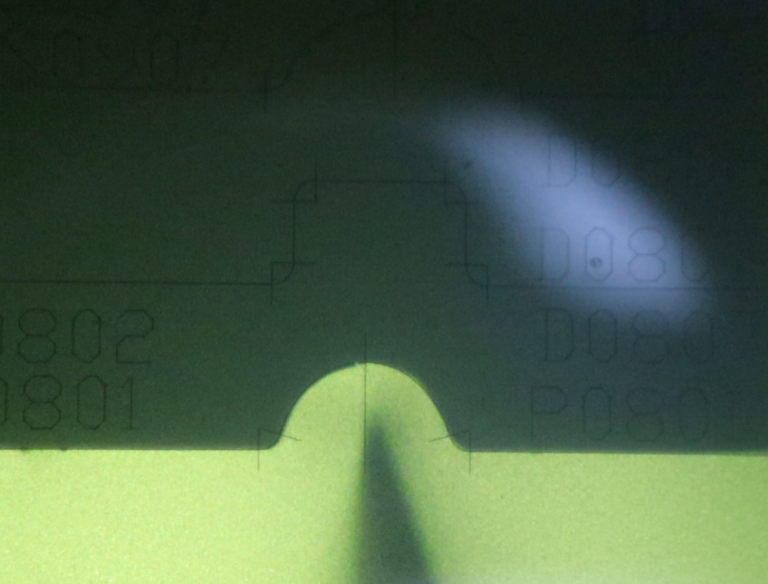
In some cases, optimizing the tooling design itself — such as using segmented tooling design with PG grinding instead of wire EDM — can further improve performance and reduce long-term cost.
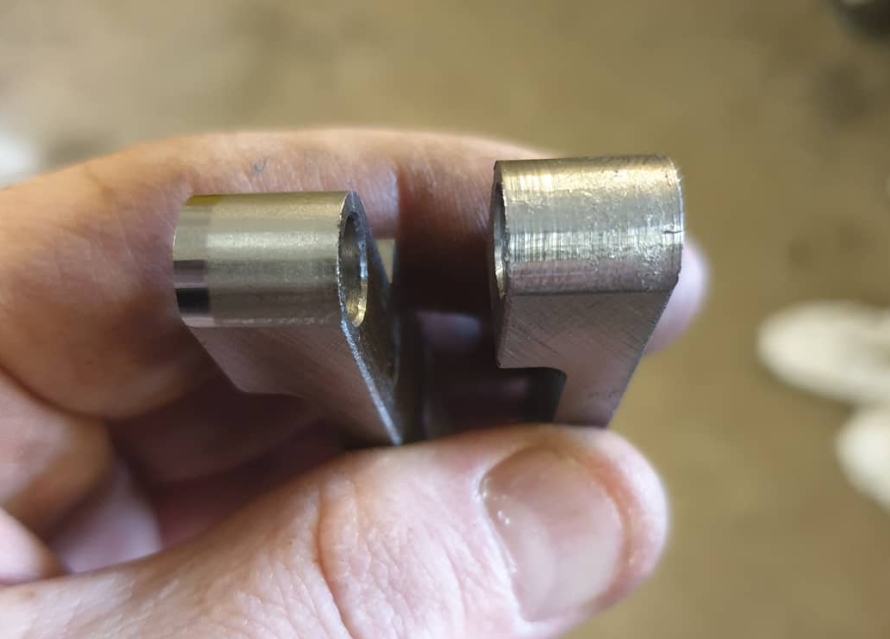
What are the risks of choosing a lower-cost alternative?
Choosing a cheaper material without proper evaluation can lead to:
In many cases, a cheaper material leads to higher total cost over time.
Common tooling material alternatives
Below are some commonly material substitutions:
| Original Material | Alternative | Benefit |
|---|---|---|
| SKH51 / M2 | ASP23 | Better wear resistance |
| D2 | DC53 | Higher toughness |
| Standard carbide | Premium carbide | Longer tool life |
| ASP23 | ASP30 | Higher hardness |
When should alternatives be discussed?
During the quotation or design review stage is the best time for material subsititution. At this point, we can evaluate both performance requirements and practical limitations together.
Early discussion often helps avoid delays and unnecessary cost increases.
Conclusion
Material availability issues are not uncommon, but they are rarely a dead end.
With the right evaluation, alternative materials can provide reliable performance while improving flexibility and long-term cost efficiency.
We often evaluate material alternatives during the quotation stage.
Feel free to share your drawings if you’d like to explore practical options.
 English
  Korean
  Japanese
  Spanish
  Portuguese
  French
  German