Reliable Precision Subcontractor for Tool Shops








Carbide Grade Selection for Stamping Dies: Follow the Print or Evaluate Alternatives?
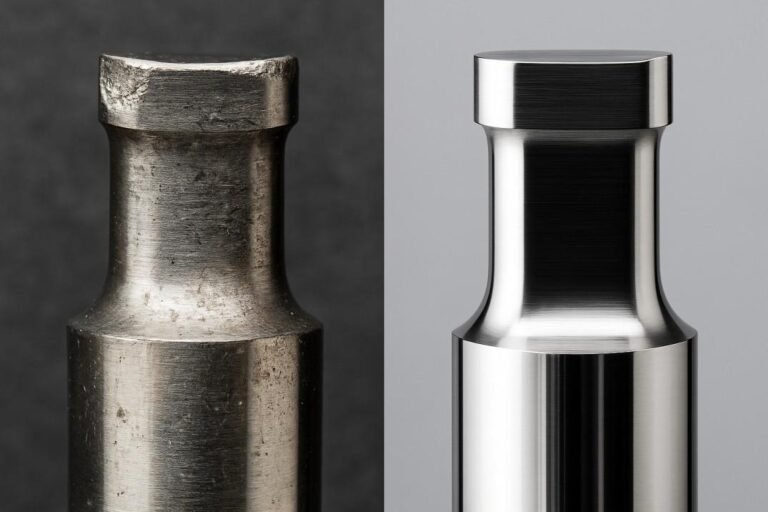
Selecting the right carbide grade is one of the most important decisions in precision stamping tooling.
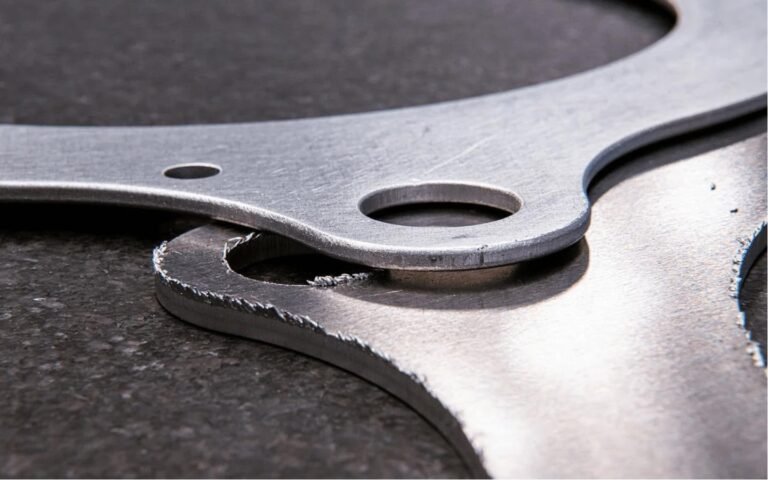
The wrong grade can lead to premature wear, edge chipping, unexpected downtime, and increased maintenance costs. The right grade can significantly improve tool life, production stability, and overall manufacturing efficiency.
However, carbide grade selection becomes more complicated when a drawing specifies a premium imported material that is difficult to source in small quantities.
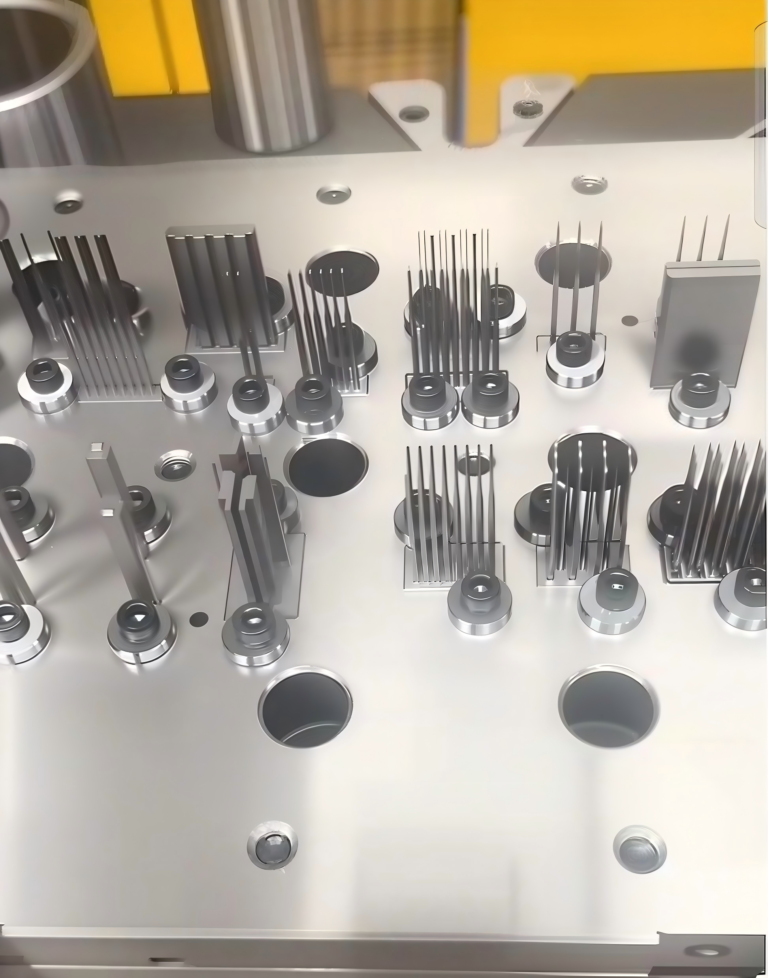
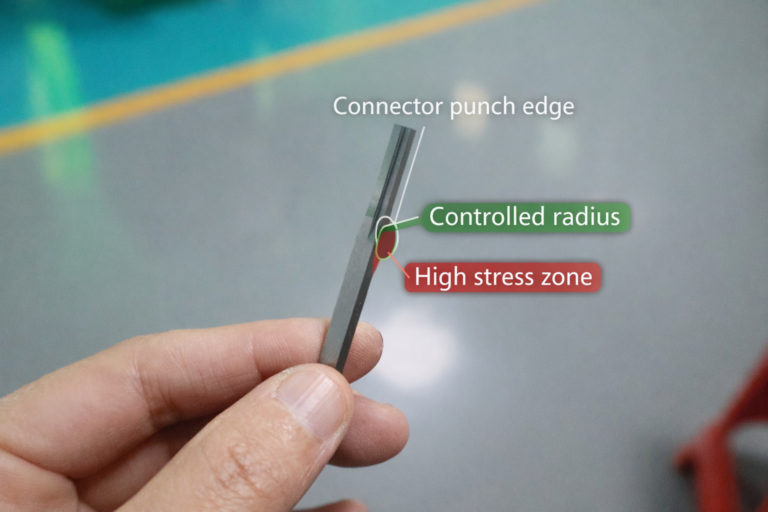
Recently, I received an RFQ for several replacement carbide inserts used in a high-speed connector stamping die.
The customer specified a well-known European carbide grade recognized for its excellent balance of hardness, wear resistance, and shock toughness. From a tooling performance perspective, the material choice made perfect sense.
The challenge was not the carbide itself.
The challenge was the quantity.
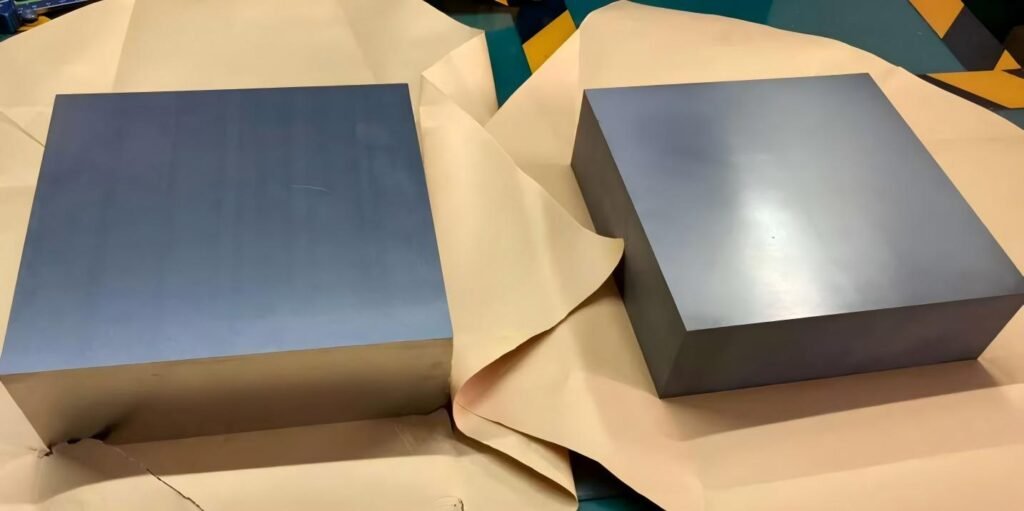
Only a few inserts were required, but multiple raw stock thicknesses would need to be purchased. To meet the drawing specification exactly, several full-size carbide blanks would have to be imported. Most of the material would remain unused after production, creating significant inventory waste while substantially increasing both cost and lead time.
This raised an interesting engineering question:
Should suppliers simply follow the specified carbide grade, or should alternative grades be evaluated based on actual application requirements?
Why Premium Carbide Grades Are Often Specified
In precision stamping applications, carbide grades are usually selected for a reason.
Tooling engineers often specify premium grades to address challenges such as:
- High production speeds
- Abrasive workpiece materials
- Edge chipping risks
- Long maintenance intervals
- Tight dimensional stability requirements
For high-speed connector stamping dies, material performance directly affects tool life and production reliability.
When a specific carbide grade appears on a drawing, it often reflects years of production experience and proven results.
This is why suppliers should never assume that a material can be substituted simply because another grade appears similar.
The Hidden Cost of Small-Batch Carbide Components
While premium carbide grades offer performance advantages, sourcing them for small quantities can create practical challenges.
A replacement insert may require only a few grams of carbide, yet suppliers may need to purchase entire blanks in multiple thicknesses to satisfy the specification.
This can result in:
- Increased material cost
- Longer procurement lead times
- Excess inventory
- Higher overall project cost
In some cases, the cost impact has little to do with machining and everything to do with material sourcing.
For tooling buyers and maintenance teams, understanding these factors can help explain why replacement spare parts sometimes appear disproportionately expensive.
How Engineers Select Carbide Grades for Stamping Dies
Effective carbide grade selection is rarely based on brand names alone.
Instead, experienced tooling engineers evaluate the actual operating conditions of the application.
Typical considerations include:
| Selection Factor | Why It Matters |
|---|---|
| Hardness | Influences wear resistance |
| Toughness | Reduces chipping and cracking |
| Grain Size | Affects edge stability |
| Cobalt Content | Balances hardness and toughness |
| Transverse Rupture Strength (TRS) | Measures resistance to fracture |
| Strip Material | Determines wear mechanisms |
| Material Thickness | Influences loading conditions |
| Press Speed (SPM) | Impacts heat generation and wear |
| Expected Tool Life | Defines performance targets |
Understanding these factors often reveals that multiple carbide grades may perform similarly under the same operating conditions.
Should Suppliers Follow the Drawing Exactly?
From a quality and compliance perspective, the answer is generally yes.
The drawing and purchase order define the contractual requirements.
If a specific carbide grade is specified, suppliers should manufacture according to that specification unless the customer formally approves an alternative.
This protects both the customer and the supplier by ensuring that all parties operate under documented requirements.
In regulated industries and high-volume production environments, maintaining traceability and specification compliance is especially important.
When Can Alternative Carbide Grades Be Considered?
Alternative carbide grades may be worth evaluating when:
- The specified grade has excessive lead times
- Material availability is limited
- Small quantities create disproportionate costs
- Equivalent grades with proven performance exist
However, substitutions should never be made without customer approval.
A professional evaluation should include:
- Material property comparisons
- Hardness data
- Grain size information
- Cobalt content analysis
- TRS comparisons
- Historical application results
The objective is not to find a cheaper material.
The objective is to determine whether an equivalent material can deliver the same performance under the same operating conditions.
The Real Question
Many discussions about tooling materials focus on whether a specific carbide grade can be replaced.
But the more important question is:
Why was this grade specified in the first place?
If the answer is fully understood, suppliers and customers can make informed decisions based on engineering requirements rather than assumptions.
In some cases, the original grade remains the best choice.
In other cases, a carefully evaluated equivalent may provide identical performance while reducing lead time, inventory waste, and overall project cost.
The key is understanding the application before making the decision.
Conclusion
Carbide grade selection is about much more than material names.
It is a balance between performance, reliability, availability, compliance, and long-term cost efficiency.
Whether manufacturing new tooling or replacement die components, the best decisions are made when engineering requirements, production realities, and material performance are evaluated together.
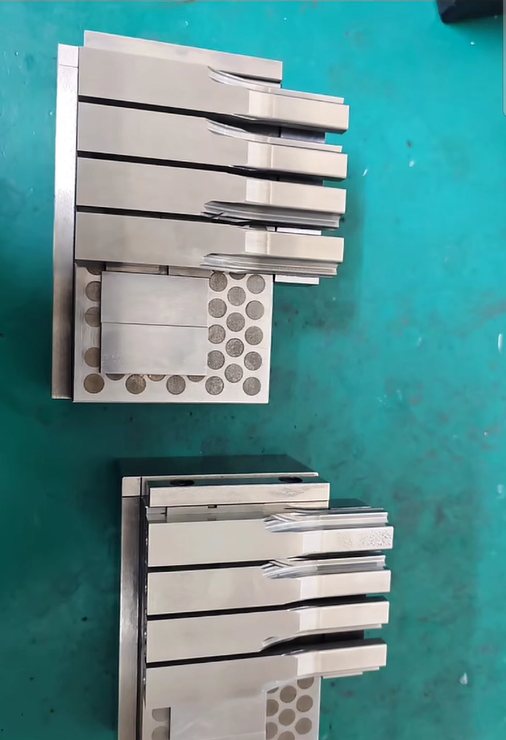
At HEPHA Precision, we regularly manufacture carbide inserts, punches, die inserts, and precision die components for progressive stamping applications. When material selection challenges arise, we work with customers to evaluate practical solutions while maintaining performance requirements and drawing compliance.
If you have a drawing or a tooling project that requires review, feel free to contact us to discuss your application.
 English
  Korean
  Japanese
  Spanish
  Portuguese
  French
  German