Reliable Precision Subcontractor for Tool Shops








Punch Wear Is Not Random: Understanding Load Distribution in Stamping
Punch wear is often attributed to material quality, coating performance, or heat treatment. While these factors do matter, they don’t always explain what actually happens in production.
In many cases, wear patterns tell a more precise story.
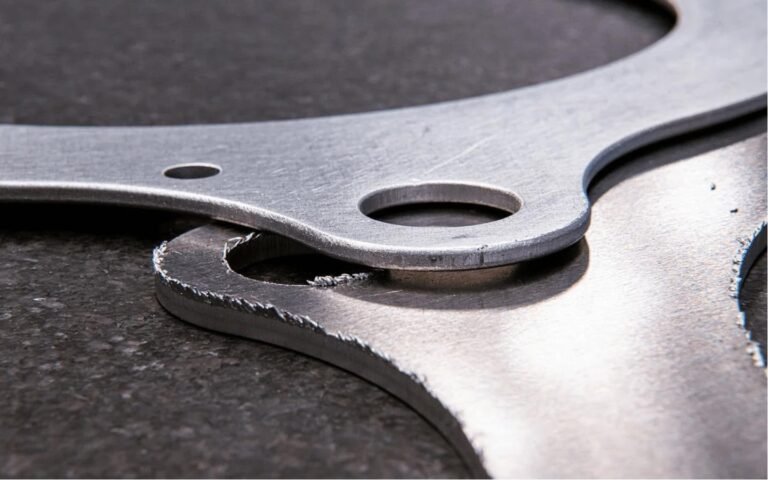
It is not uncommon to see one punch polishing smoothly while another starts chipping, even though both were produced using the same specifications and are running in the same tool.
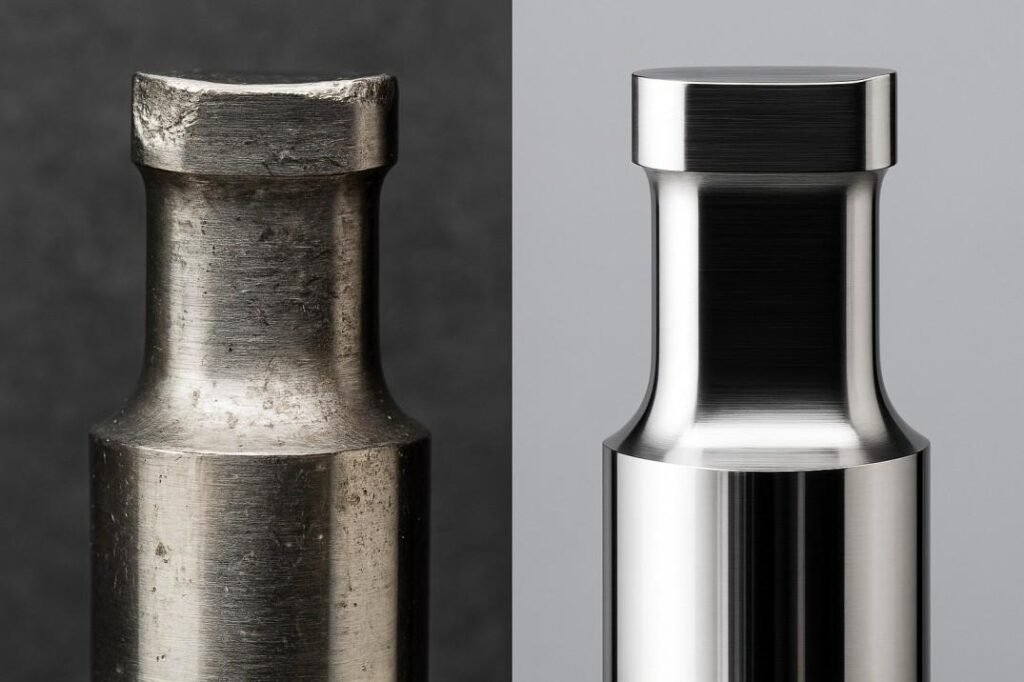
It usually indicates that the load is not entering each punch in the same way.
When the cutting process begins slightly differently — even by a small margin — the stress distribution changes. One edge may take more load earlier, while another engages later. Over thousands of cycles, this difference becomes visible as uneven wear.
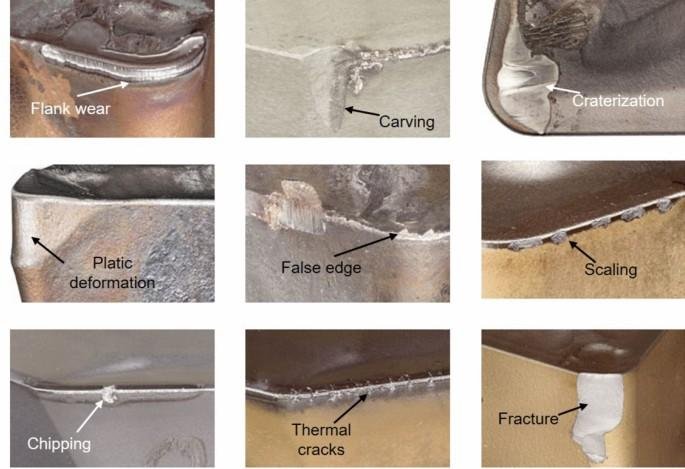
Small deviations in profile, edge sharpness, or angle accuracy can alter how the punch contacts the material. And once contact changes, the load path changes as well.
This is especially critical in high-speed production, where even minor inconsistencies are amplified.
Punch wear is not random.
It reflects how force moves through the tool.
Understanding this relationship makes it easier to identify root causes — and to improve both tool life and process stability.
If you’re seeing similar issues in your tooling, feel free to reach out — happy to exchange ideas.
 English
  Korean
  Japanese
  Spanish
  Portuguese
  French
  German