Reliable Precision Subcontractor for Tool Shops







Non-Standard Tungsten Carbide Punch – PG Profile Grinding Precision
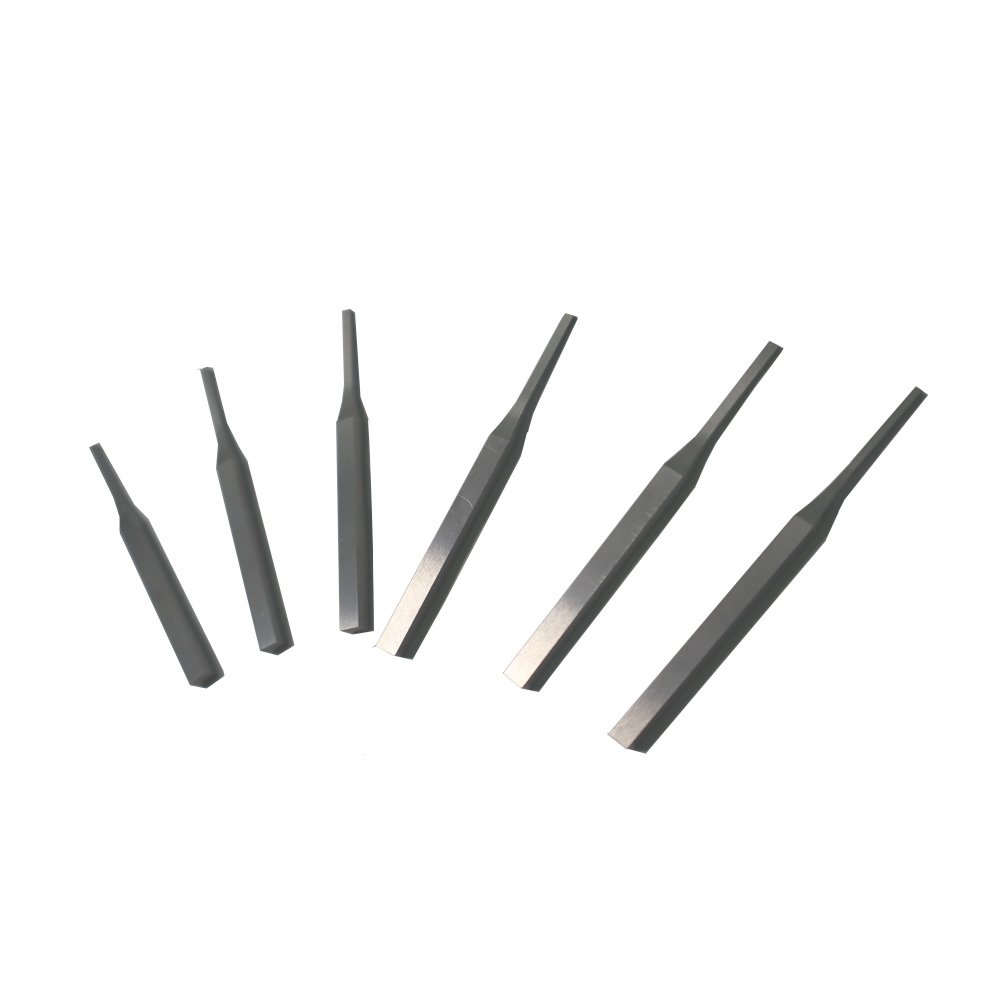
Non-Standard Tungsten Carbide Punch – PG Profile Grinding Precision
Key Features of Non-Standard Punch
Product Description of Non-Standard Punch
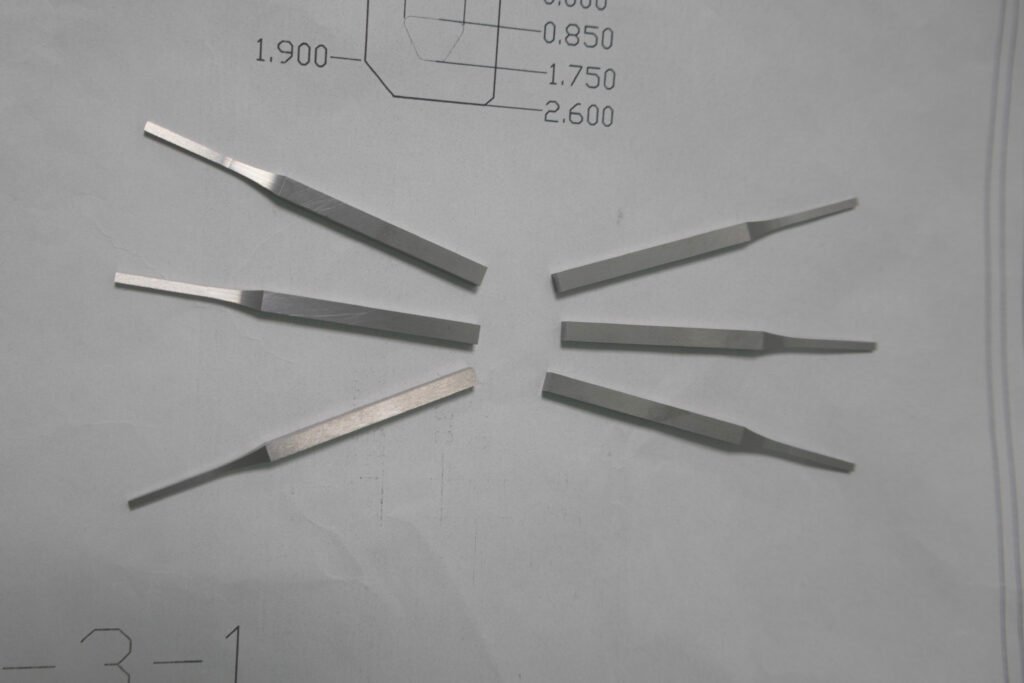
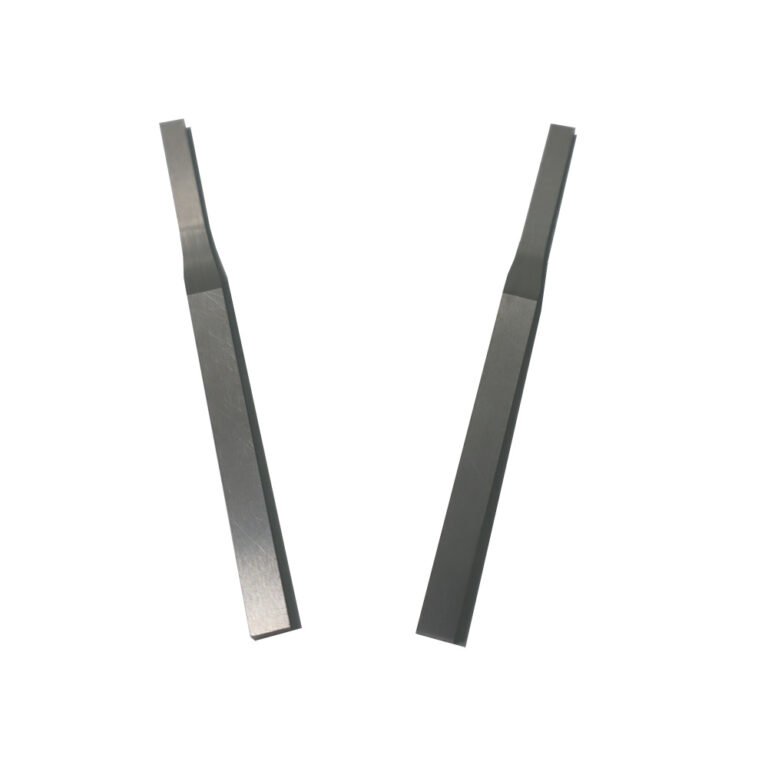
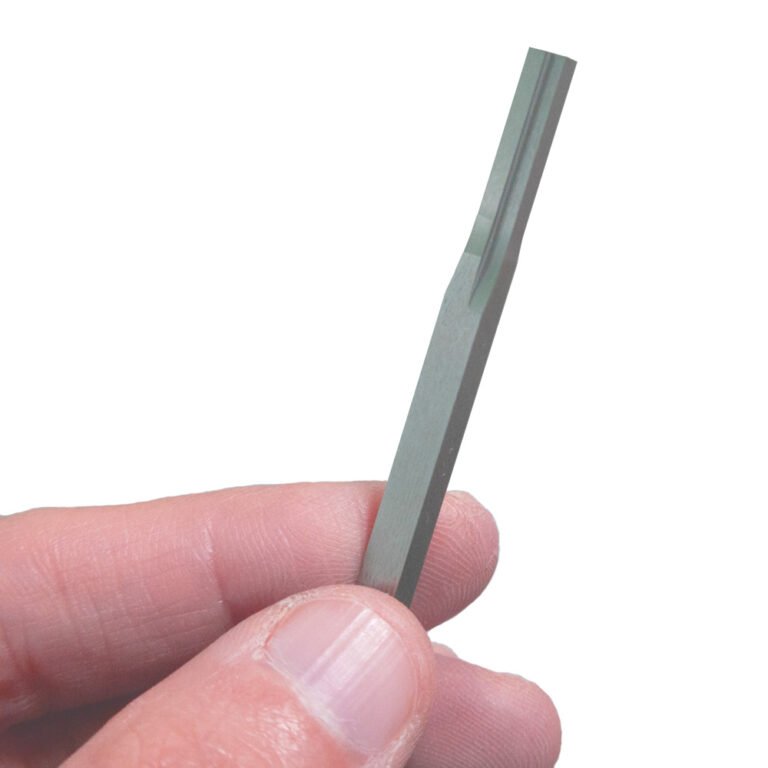
Hepha Non-Standard Punches, mainly precision-manufactured by PG Profile Grinding. They are specially designed for complex and customized stamping requirements where standard punches are not suitable.
Made from tungsten carbide, these punches offer exceptional hardness, wear resistance, and dimensional stability, making them ideal for high-volume and high-speed stamping operations. PG profile grinding allows precise control of punch geometry, including stepped profiles, tapered sections, and sharp or controlled-radius cutting edges.

Unlike conventional machining methods, PG grinding ensures superior profile accuracy and surface consistency, especially for non-standard shapes and micro punch features. This process enables us to achieve tight tolerances and excellent repeatability, which is critical for die assembly accuracy and replacement punch compatibility.
Each precision punch is custom-made according to customer drawings or samples, with full control over dimensions, profile angles, edge condition, and overall length. Whether used in progressive dies, fine blanking tools, or precision metal stamping molds, our tungsten carbide punches help improve tool life, reduce downtime, and maintain consistent part quality.
With strict inspection using optical profile measurement systems, we ensure every punch meets the required specifications before delivery.
Typical Applications
Available Materials for Customized Punches
To meet different stamping applications and working conditions, we offer a wide range of material options for non-standard punches. Material selection is optimized based on part geometry, wear requirements, production volume, and customer specifications. All punches are manufactured strictly according to customer drawings.
Tool Steels
Powder Metallurgy Steels
Tungsten Carbide
FAQs
What tolerance can you achieve with PG optical profile grinding?
What is the minimum radius / sharp corner you can grind?
Can you grind complex or asymmetric profiles?
What materials do you work with?
Do you have experience with connector molds / precision stamping dies?
Can PG grinding replace wire EDM for certain profiles?
What is your typical lead time?
Is there a minimum order quantity (MOQ)?
How do you protect customer drawings and intellectual property (IP)?
Why choose PG optical profile grinding instead of standard grinding?




 English
  Korean
  Japanese
  Spanish
  Portuguese
  French
  German