공구 상점을 위한 신뢰할 수 있는 정밀 하청업체



도면은 변하지 않았는데도 커넥터 금형 제작이 왜 더 까다로워졌는가
Over the years, one thing has become increasingly noticeable in connector tooling work:
The drawings often look almost the same as they did years ago.
The dimensions, the basic geometry, even the tolerance blocks—many of them haven’t changed significantly.
But the way these parts need to be manufactured has changed quite a lot.
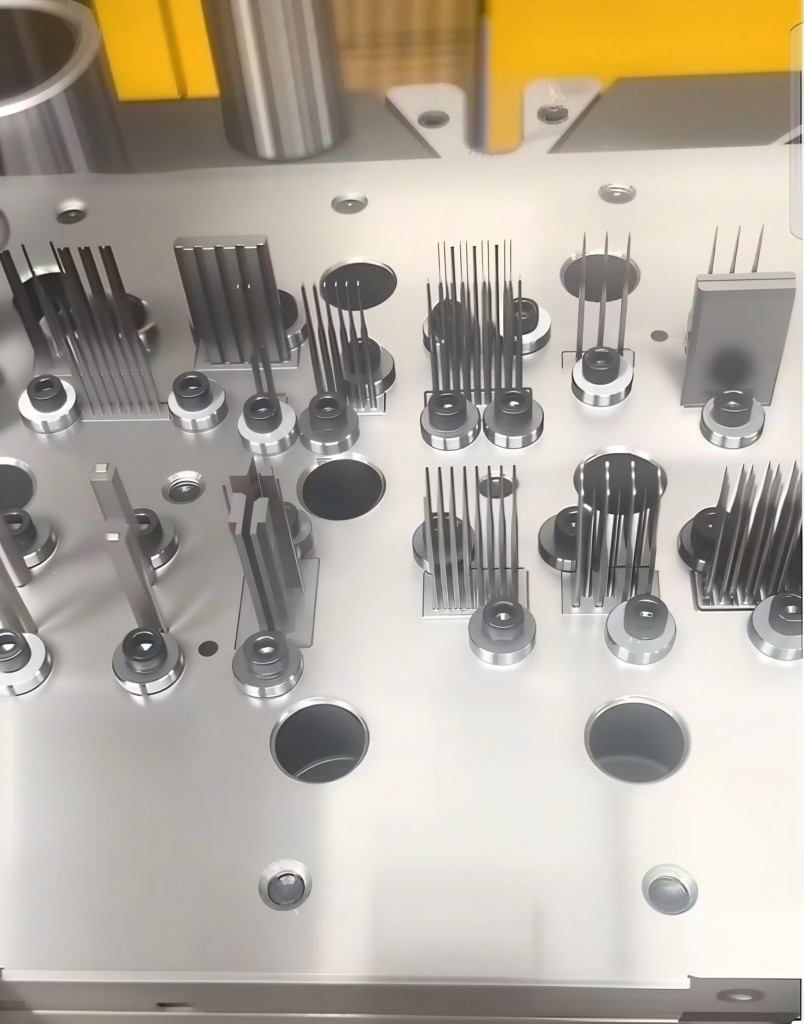
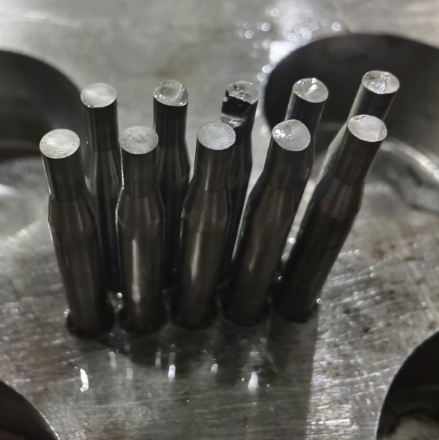
In practice, what used to be considered a “standard” punch or insert is now much more sensitive to small variations during manufacturing.
The Real Change Is Not on the Drawing
A punch profile that was relatively straightforward in the past may now require much tighter control over details such as:
- Corner transitions
- Profile continuity
- Edge condition after grinding or EDM
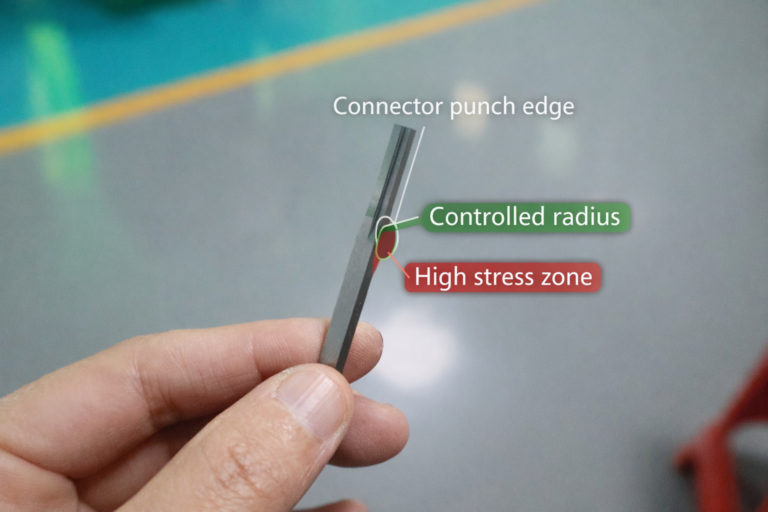
- Radius consistency between features
On paper, the tolerance may still look the same.
But in production, the margin for error has become smaller.
This is especially true in connector tooling, where small geometric deviations can directly affect:
- Insertion force
- Contact stability
- Burr formation
- Tool wear rate
- Long-term die stability
Why This Is Happening
The reason is not that engineering standards suddenly became stricter.
It is because the application itself has evolved.
Modern connector designs are moving toward:
- Finer pitches
- Higher pin density
- Thinner and stronger materials
- Smaller functional geometries
When the functional features become smaller, even slight variations in tooling geometry start to have a much bigger impact.
A radius difference that was once irrelevant can now influence tool life or part performance.
A minor inconsistency in profile grinding can now show up as early wear or unstable stripping behavior.
What This Means for Manufacturing
From a manufacturing perspective, this shift is subtle but very real.
It means that processes like:
- 프로파일 그라인딩(PG)
- 와이어 EDM
- Precision surface grinding
are no longer just “making parts to drawing”.
They are now responsible for controlling functional behavior in production.
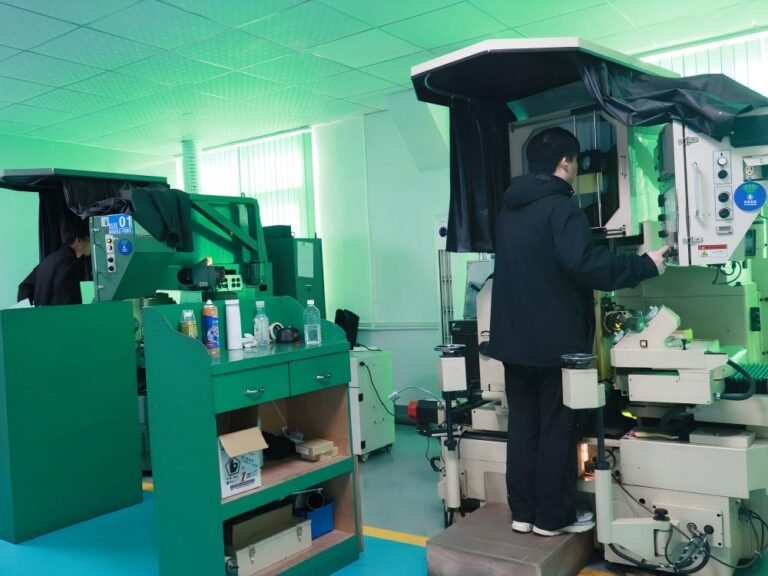
For example, in PG grinding of connector tooling components, consistency in edge formation and profile continuity can directly influence how stable the stamping process runs over long production cycles.
The same applies to wire EDM components, where thermal impact and micro-edge condition can affect tool performance more than before.
The Gap Between Drawing and Reality
This is something we see more often in precision tooling projects:
The specification looks familiar.
But the manufacturing reality is not.
And this gap is exactly where most tooling problems appear—not in the design stage, but in the transition from drawing to production stability.
In many cases, the issue is not whether a part is “within tolerance”.
The question is whether the part behaves correctly in real stamping conditions.
Why This Matters for Tooling Engineers
For tooling engineers and buyers, this shift has an important implication:
Material selection and machining method are no longer secondary decisions.
They are directly tied to functional performance.
This is why more projects today require closer attention to:
- Grinding process capability
- EDM finishing quality
- Material stability under high precision machining
- Repeatability across batches
In many connector tooling applications, consistency has become more important than nominal accuracy alone.
Final Thought
The drawings may not have changed much over the years.
But the expectations behind them have.
And in precision connector tooling, the real challenge is no longer just “can we make it?”
It is:
Can we make it consistently stable in production over time?
At HEPHA Precision, we support connector tooling projects with:
- Profile Grinding (PG) for high-precision die components
- Wire EDM for complex inserts and punches
- Precision die components built to customer drawings
If you are working on connector tooling or progressive stamping dies and need support with tight-tolerance components, feel free to share your drawings for evaluation.
 English
  Korean
  Japanese
  Spanish
  Portuguese
  French
  German