공구 상점을 위한 신뢰할 수 있는 정밀 하청업체








전단 각도가 올바르게 보이지만 스탬핑 안정성이 여전히 실패하는 경우
많은 프로그레시브 금형 응용 분야에서 전단각은 주로 절삭력을 줄이거나 공구 수명을 연장하는 데 사용되는 부차적인 세부 사항으로 취급되는 경우가 많습니다.
하지만 실제 프로덕션에서는 그 영향이 훨씬 더 깊습니다.
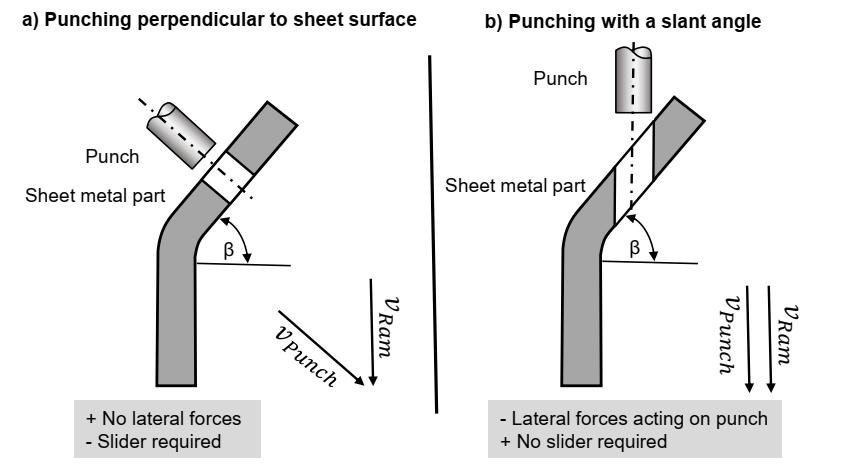
재료가 일정하고 프레스 파라미터가 안정적이며 금형 설계가 표준 관행을 따르는 등 모든 것이 올바르게 보이는 경우가 있습니다. 하지만 여전히 공정이 불안정하게 느껴지는 경우도 있습니다. 가장자리 품질이 변동하고, 공구 마모가 고르지 않게 나타나며, 조정이 공정을 완전히 “고정'하지 못합니다.
이러한 상황에서는 전단 각도 자체가 문제가 아니라 여러 스테이션에서 전단 각도가 어떻게 작동하는지가 문제인 경우가 많습니다.
일부 펀치는 각도에 따라 재료와 더 일찍 맞물릴 수 있습니다. 다른 펀치는 더 평평하게 절단되어 재료에 한꺼번에 들어갈 수 있습니다. 이러한 동작이 일관되지 않으면 하중이 더 이상 스트립을 통해 원활하게 흐르지 않습니다. 대신 하중이 이동합니다.
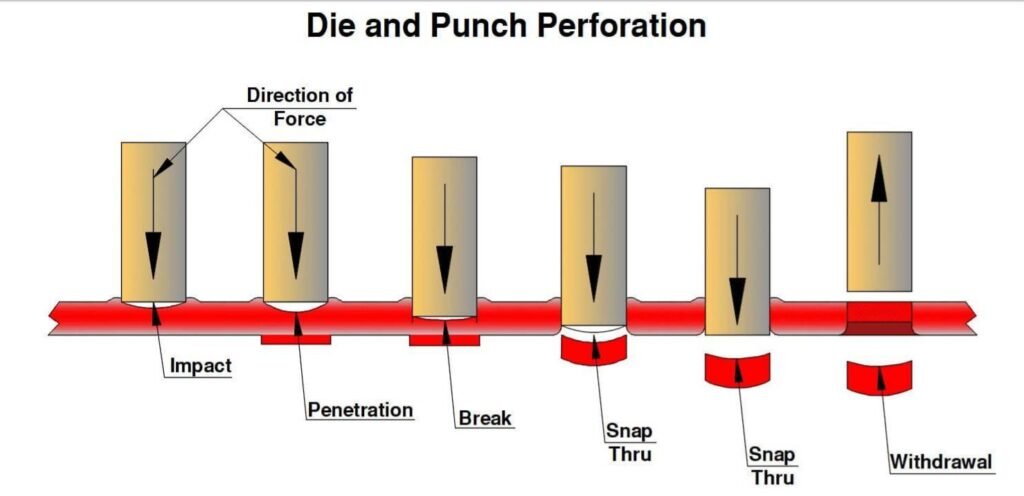
이러한 변화는 작을 수 있지만 그 효과는 누적됩니다:
시간이 지남에 따라 프로세스를 예측하기 어려워집니다.
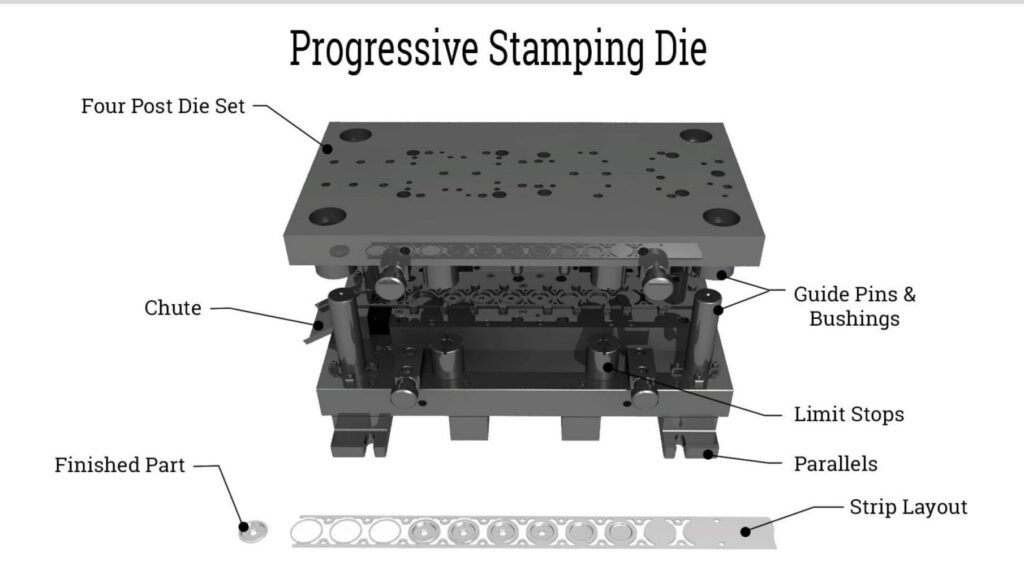
전단 각도를 최적화하면 도움이 될 수 있지만, 실제 생산 조건에서 지오메트리가 일관되게 작동하는 경우에만 가능합니다. 각도 실행이나 가장자리 전환의 작은 차이도 실제로 절단이 시작되면 변경될 수 있습니다.
결국 전단각은 단순히 힘을 줄이는 것만이 아닙니다.
이는 부하가 시스템에 유입되는 방식과 프로세스가 안정적으로 유지되는지 여부에 직접적인 영향을 미칩니다.
툴링에서 비슷한 문제가 발생하면 언제든지 다음 사항을 확인하세요. 연락하기 - 기꺼이 아이디어를 교환합니다.
 English
  Korean
  Japanese
  Spanish
  Portuguese
  French
  German