Subcontratante de precisão fiável para oficinas de ferramentas








Porque é que alguns processos de estampagem nunca estabilizam totalmente
Alguns processos de estampagem funcionam, mas nunca estabilizam verdadeiramente.
Os ajustes podem melhorar o desempenho temporariamente, mas a variação continua a regressar. A qualidade da aresta flutua, o desgaste da ferramenta torna-se irregular e os operadores estão constantemente a fazer correcções.
Em muitos casos, o problema não reside num único parâmetro.
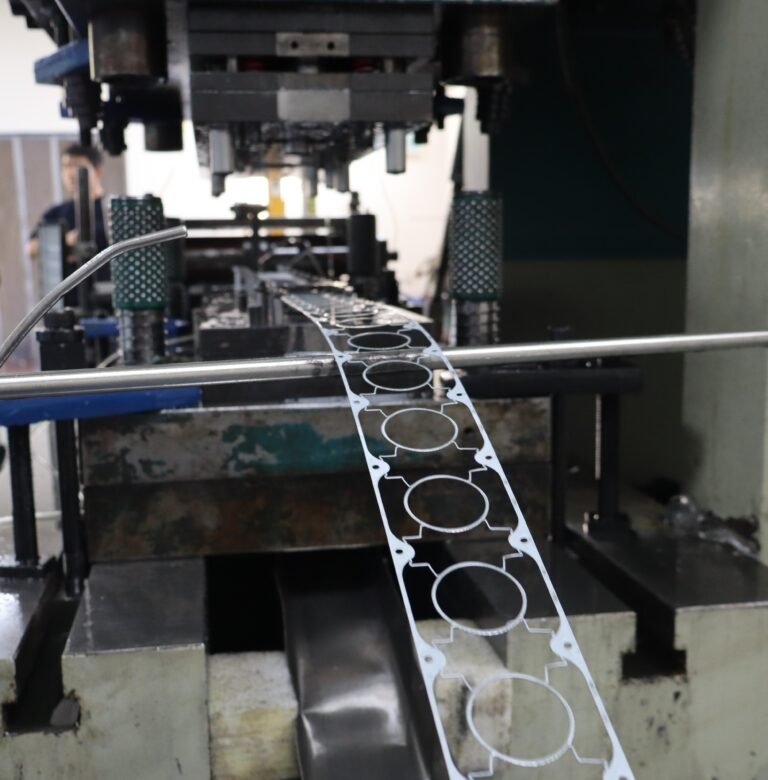
É a interação entre várias estações dentro do molde.
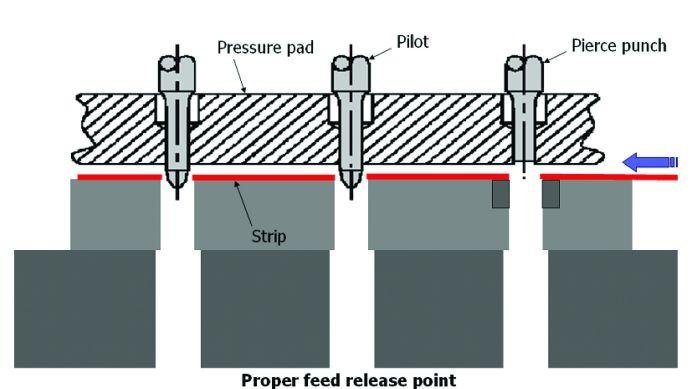
Se cada punção engatar no material de forma ligeiramente diferente - seja em termos de tempo, ângulo ou condição de contacto - o processo perde a sincronização. Em vez de um fluxo de carga suave e controlado, a força começa a deslocar-se ao longo da tira.
A velocidades mais baixas, isto pode não ser óbvio.
Mas à medida que a velocidade de produção aumenta, mesmo as pequenas inconsistências são amplificadas. O sistema torna-se mais sensível e a variação anteriormente controlável transforma-se em instabilidade.
É por esta razão que alguns processos nunca chegam a “assentar” completamente.”
A estabilidade nem sempre é alcançada através de uma maior otimização.
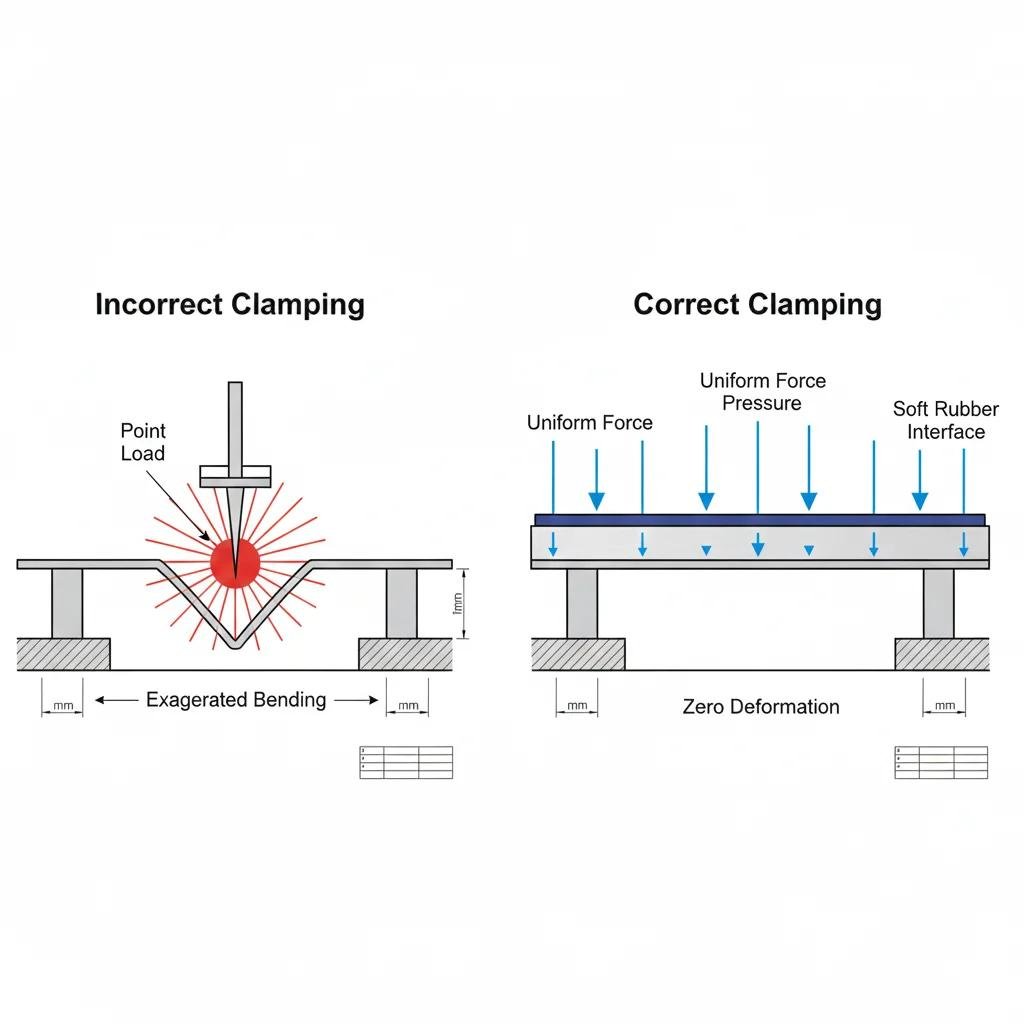
Em muitas situações, o resultado é a redução da variação - assegurando que cada estação se comporta de forma consistente, ciclo após ciclo.
Um processo previsível não é necessariamente o mais optimizado, mas é o mais controlável.
E na produção, o controlo é o que, em última análise, determina o desempenho.
Se tiver problemas semelhantes nas suas ferramentas, sinta-se à vontade para estender a mão - com prazer para trocar ideias.
 English
  Korean
  Japanese
  Spanish
  Portuguese
  French
  German