Subcontratista de precisión fiable para talleres de herramientas








Por qué la sustitución de punzones suele dar lugar a un rendimiento incoherente
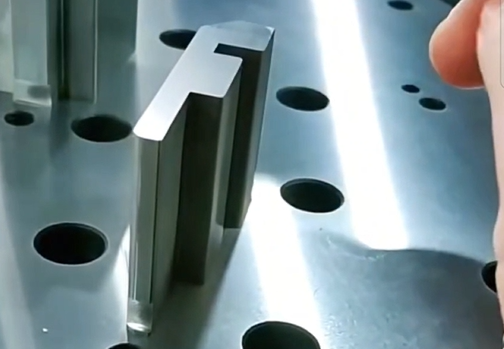
La sustitución de un punzón desgastado suele considerarse una operación rutinaria.
Sin embargo, en el estampado de precisión, muchos ingenieros se han encontrado con lo siguiente:
Se ha instalado un nuevo punzón, las dimensiones están dentro de los límites de tolerancia, pero el rendimiento ha cambiado.
Aumentan las rebabas. La vida útil de la herramienta se vuelve impredecible. Las astillas en los bordes aparecen antes de lo esperado.
¿Por qué?
Porque la sustitución de un punzón no es solo una cuestión de dimensiones.
Se trata de coherencia geométrica.
Pequeñas diferencias geométricas, gran impacto en la producción
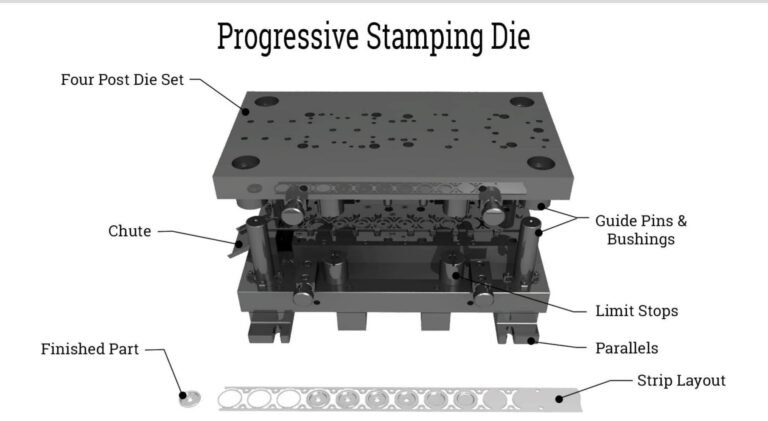
En aplicaciones de alta precisión, especialmente en matrices progresivas y en el estampado de conectores, incluso las variaciones más mínimas pueden afectar a todo el proceso.
Una desviación de unas pocas micras en:
puede modificar el comportamiento del material durante el estampado.
Esto suele dar lugar a:
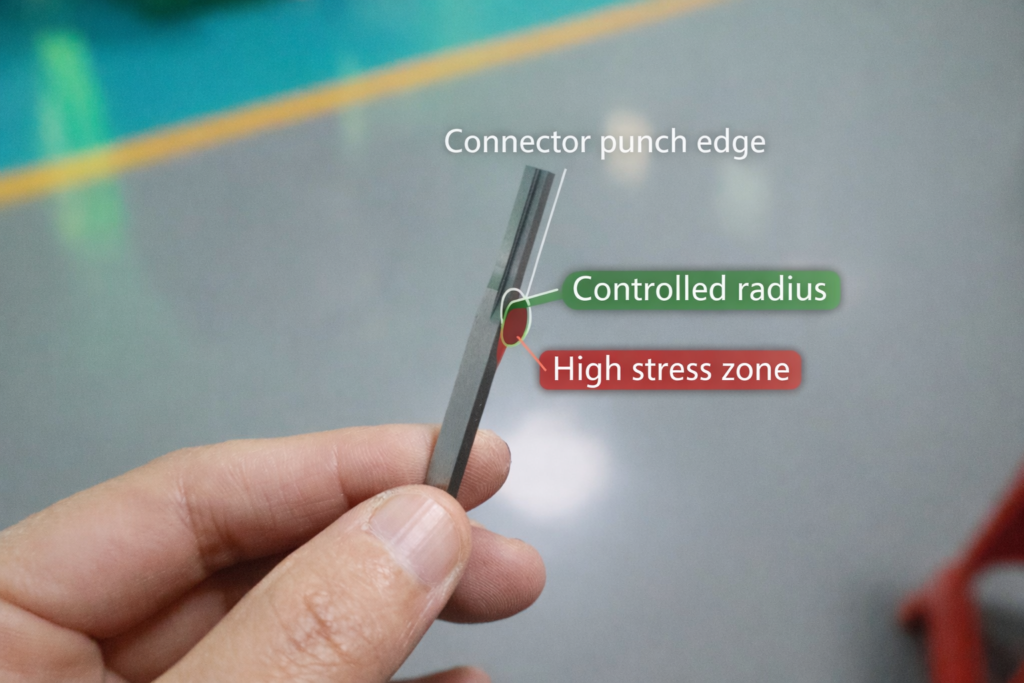
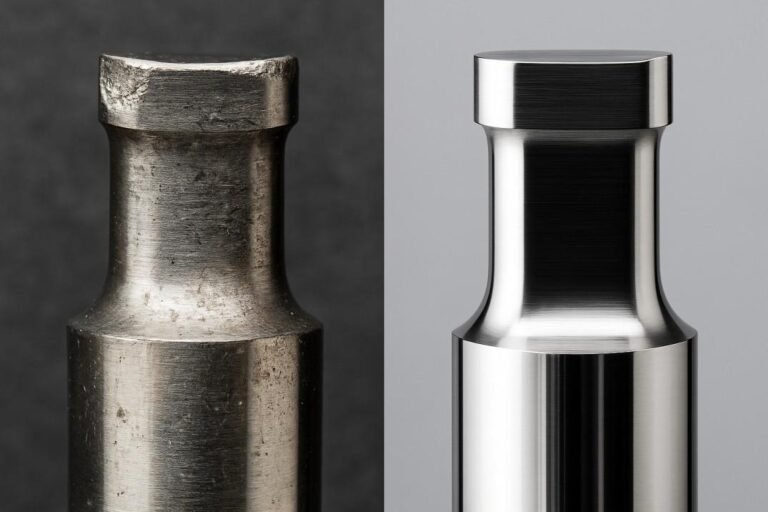
Dos troqueles pueden parecer idénticos sobre el papel, pero se comportan de forma muy diferente en la producción.
Por qué el rectificado de perfiles marca la diferencia
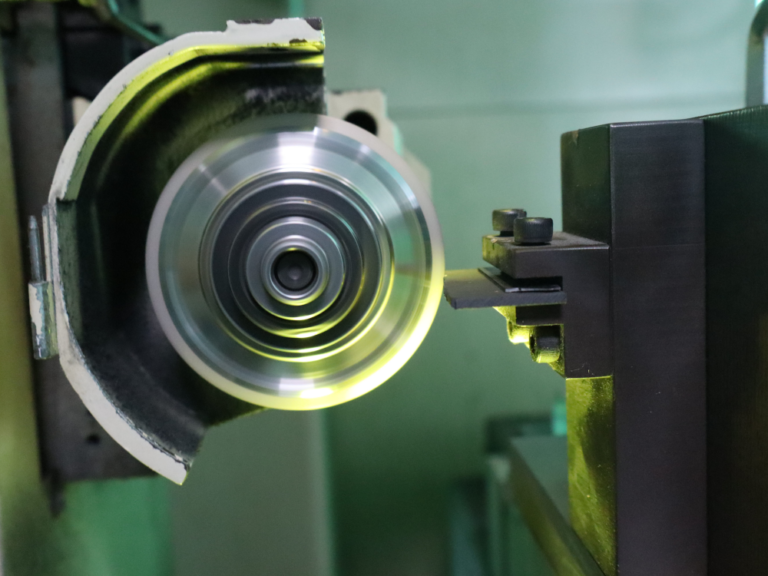
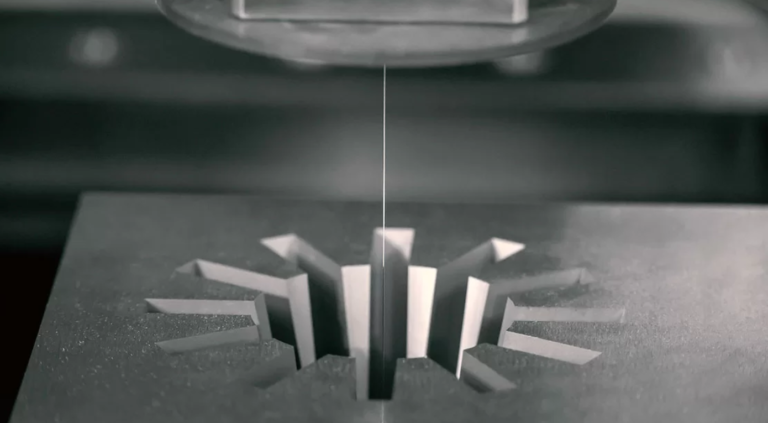
Es aquí donde el rectificado de perfiles cobra una importancia fundamental.
No se trata solo de alcanzar tolerancias estrictas, sino de garantizar que cada detalle de la geometría del punzón sea repetible.
Entre los factores clave se incluyen:
Sin una consistencia estable en el rectificado, ni siquiera los materiales de alta calidad ni un tratamiento térmico adecuado pueden garantizar el rendimiento.
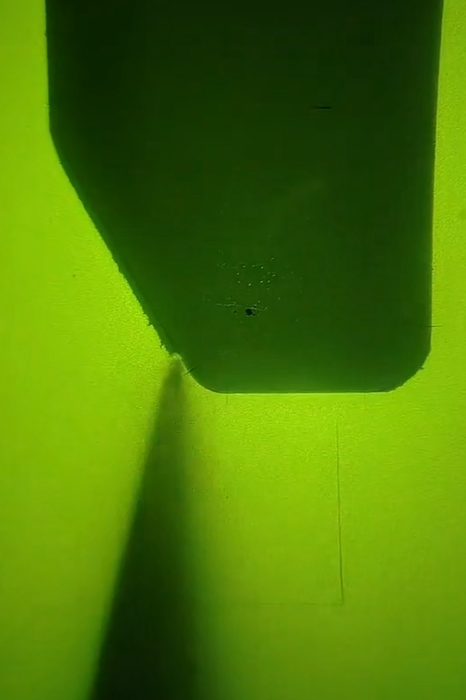

Lo que los ingenieros realmente necesitan
Desde el punto de vista de la producción, un “buen punzón de repuesto” no es solo aquel que encaja.
Es uno que:
Este nivel de precisión requiere no solo equipos de alta precisión, sino también experiencia en el control de la geometría a escala micrométrica.
Cómo garantizamos un rendimiento constante del punzón
En nuestro trabajo con aplicaciones de estampado de precisión, nos centramos en:
Esto es especialmente importante en el caso de los punzones de carburo que se utilizan en entornos de alta velocidad o alta carga
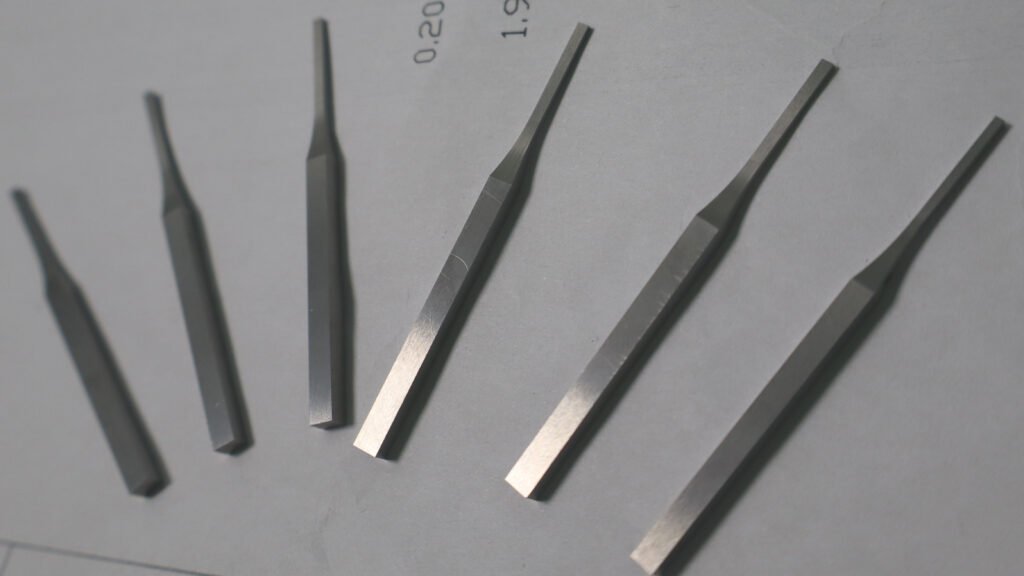
Aplicaciones típicas que admitimos:
Hablemos de tu solicitud
Si te enfrentas a:
no dudes en comparte tus bocetos o los detalles de tu solicitud.
Estaremos encantados de echar un vistazo y analizar qué factores podrían estar afectando al rendimiento de sus herramientas.
 English
  Korean
  Japanese
  Spanish
  Portuguese
  French
  German