Reliable Precision Subcontractor for Tool Shops








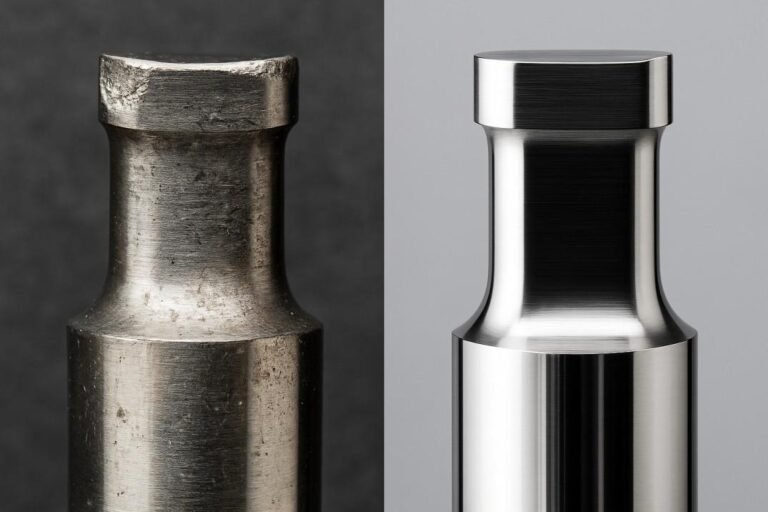
Why Punch Replacement Often Leads to Inconsistent Performance
Replacing a worn punch is usually considered a routine operation.
But in precision stamping, many engineers have experienced this:
A new punch is installed, dimensions are within tolerance — yet performance changes.
Burrs increase. Tool life becomes unpredictable. Edge chipping appears earlier than expected.
Why?
Because punch replacement is not only about dimensions.
It is about geometry consistency.
Small Geometry Differences, Big Production Impact
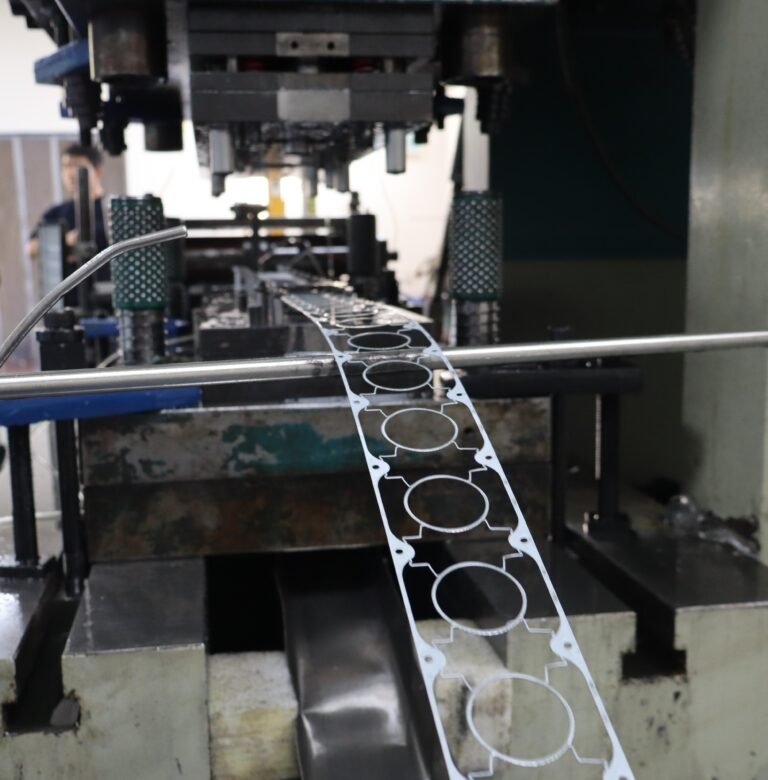
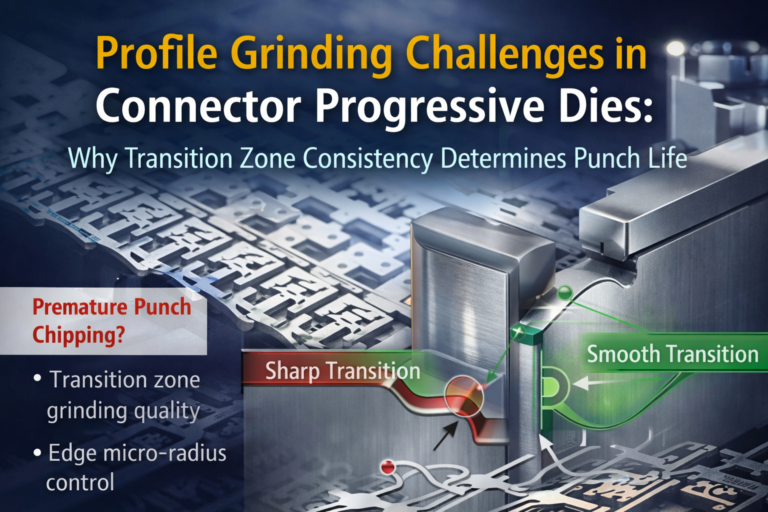
In high-precision applications, especially in progressive dies and connector stamping, even microscopic variations can affect the entire process.
A few microns of deviation in:
can change how material flows during stamping.
This often leads to:
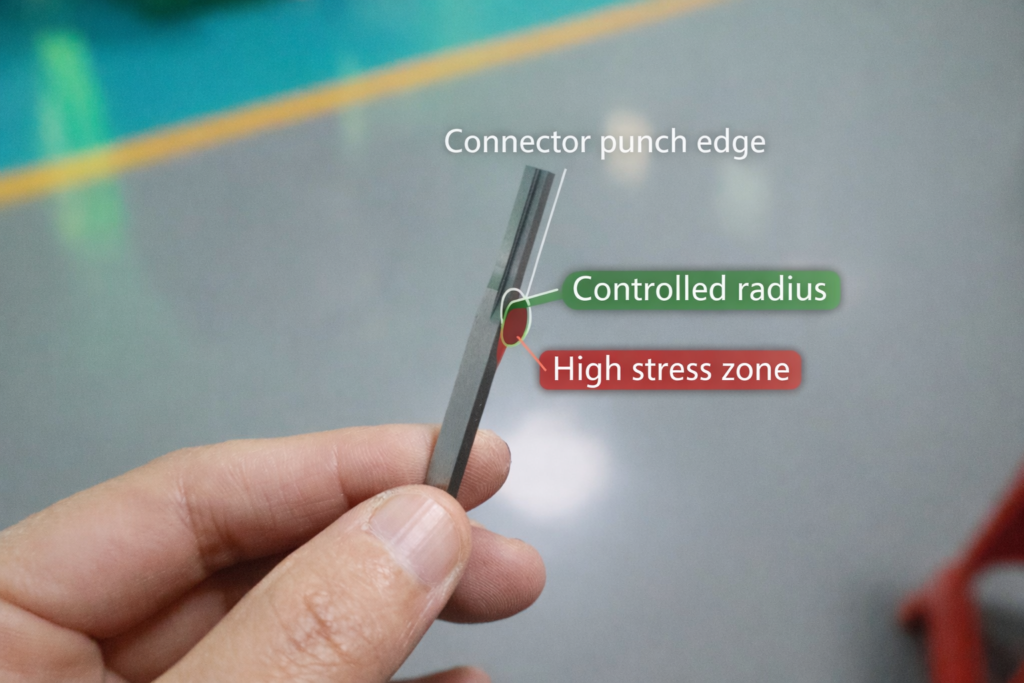
Two punches may look identical on paper, but behave very differently in production.
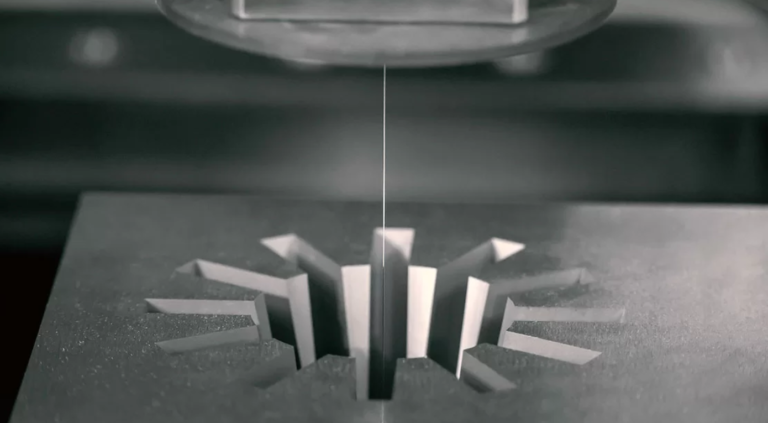
Why Profile Grinding Makes the Difference
This is where profile grinding becomes critical.
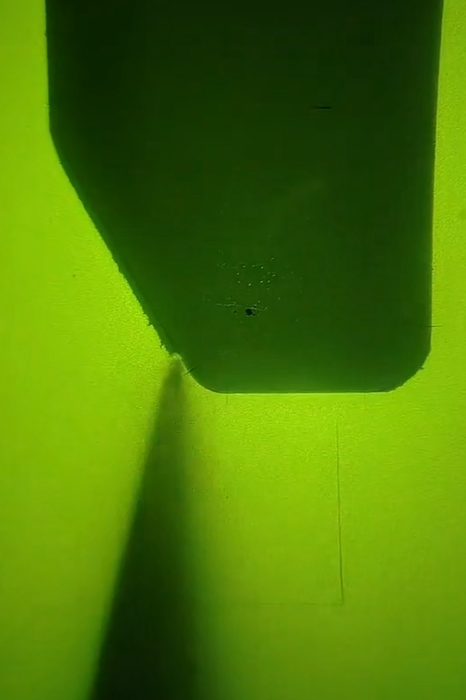
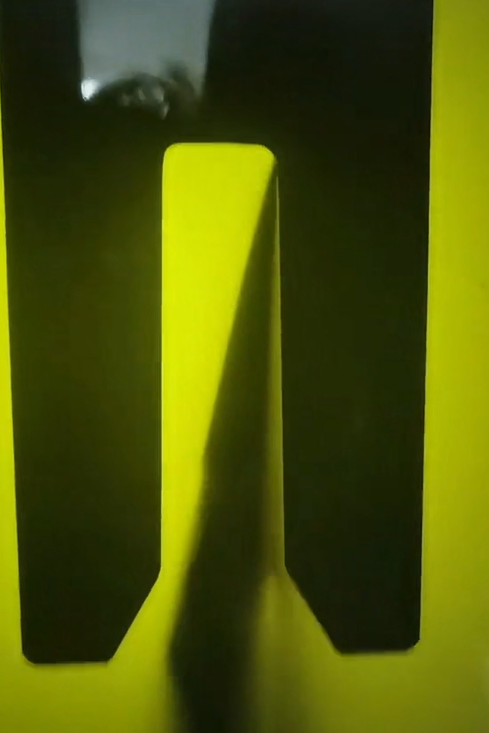
It is not only about achieving tight tolerances, but about ensuring that every detail of the punch geometry is repeatable.
Key factors include:
Without stable grinding consistency, even high-quality materials and proper heat treatment cannot guarantee performance.
What Engineers Actually Need
From a production perspective, a “good spare punch” is not just one that fits.
It is one that:
This level of consistency requires not only precision equipment, but also experience in controlling geometry at a micron level.
How We Support Consistent Punch Performance
In our work with precision stamping applications, we focus on:
This is especially important for carbide punches used in high-speed or high-load environments
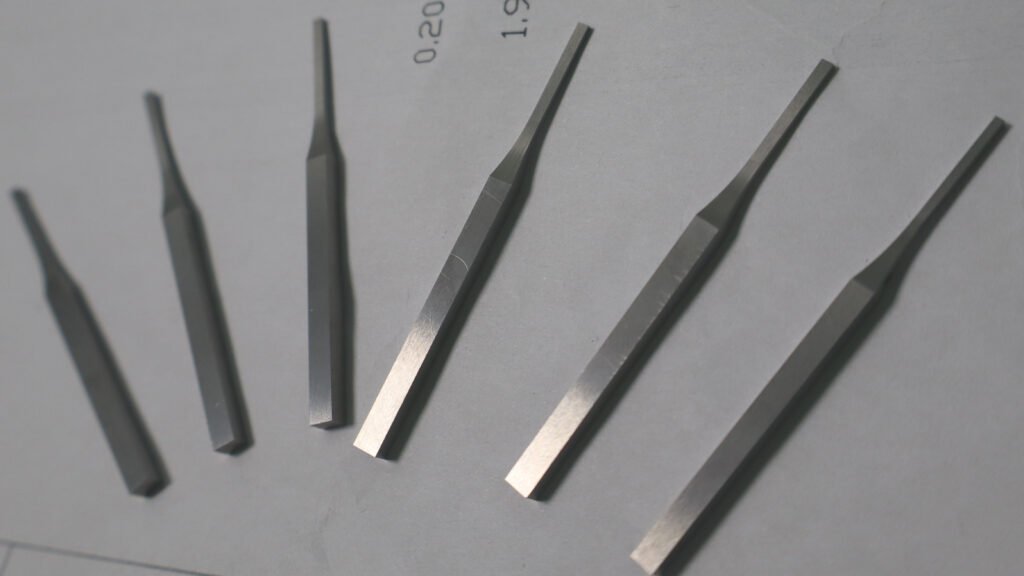
Typical applications we support:
Let’s Talk About Your Application
If you are dealing with:
feel free to share your drawings or application details.
We’re happy to take a look and discuss what might be affecting your tooling performance.
 English
  Korean
  Japanese
  Spanish
  Portuguese
  French
  German