Reliable Precision Subcontractor for Tool Shops








Segmented Tooling Design vs Wire EDM: How PG Grinding Reduces Cost
Why Traditional Wire EDM Tooling Can Be Costly Over Time
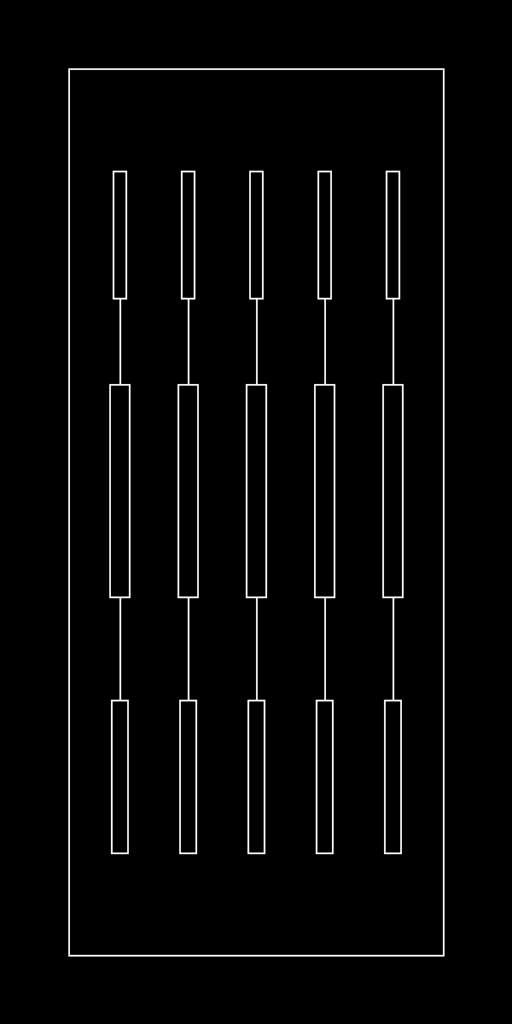
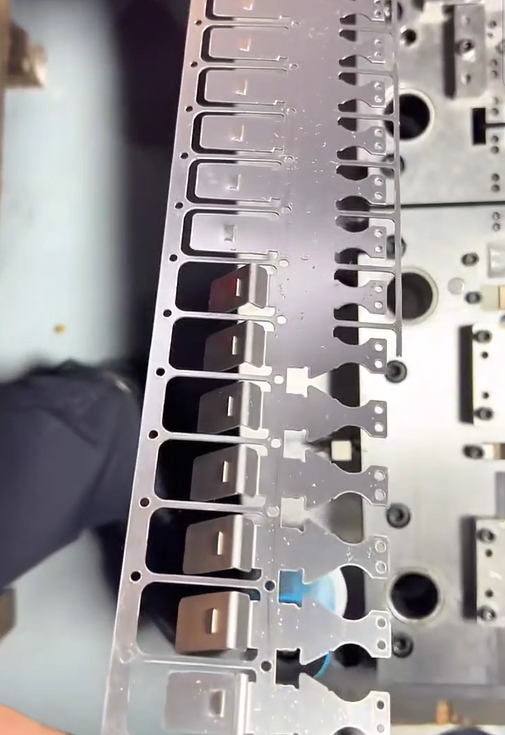
In many tooling applications, especially in precision stamping, components are often manufactured as a single solid piece using wire EDM (oil cutting). This method is widely accepted due to its flexibility in handling complex geometries.
However, from a long-term perspective, this approach may not always be cost-effective.
Wear in tooling rarely occurs evenly across the entire component. Instead, it is usually concentrated in specific functional areas. When a part is designed as one piece, even localized wear can lead to full replacement.
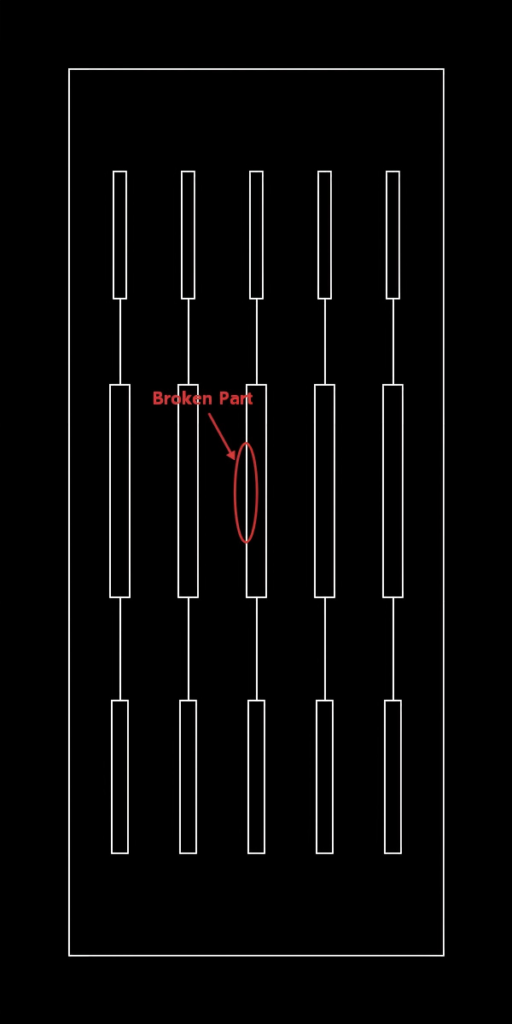
This results in:
What Is Segmented Tooling Design?
Segmented tooling design offers a different approach.
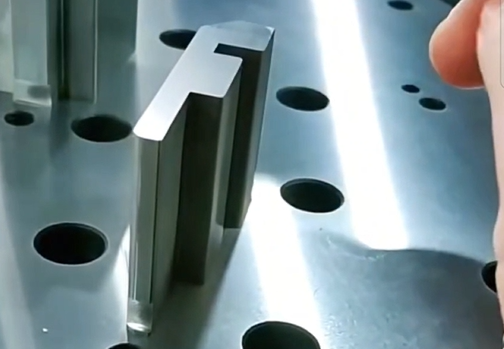
Instead of manufacturing a component as a single unit, the structure is divided into multiple functional segments. Each segment can be individually produced and replaced when needed.
When combined with PG grinding (profile grinding), this approach allows for high precision while maintaining modularity.
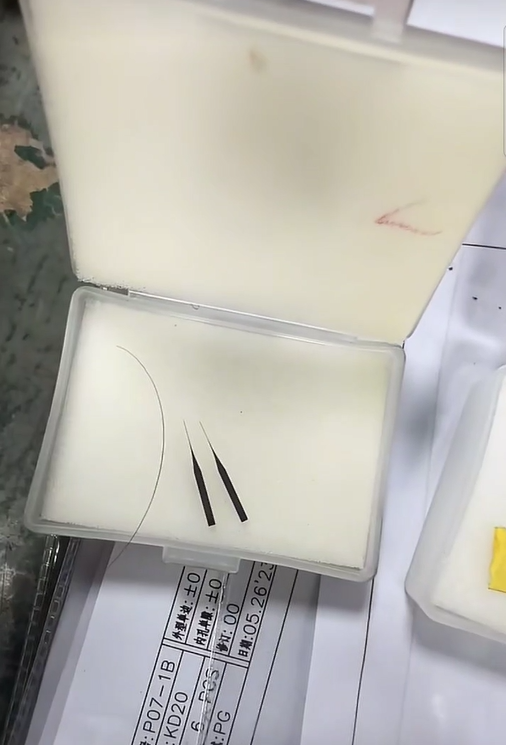
This is particularly useful for precision tooling components such as punches and inserts, where consistency and accuracy are critical.
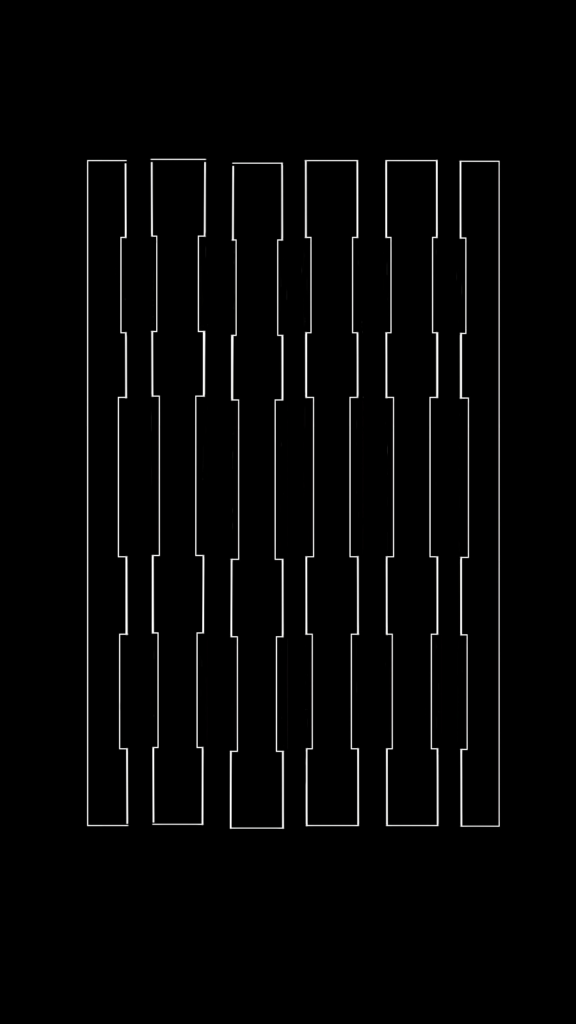
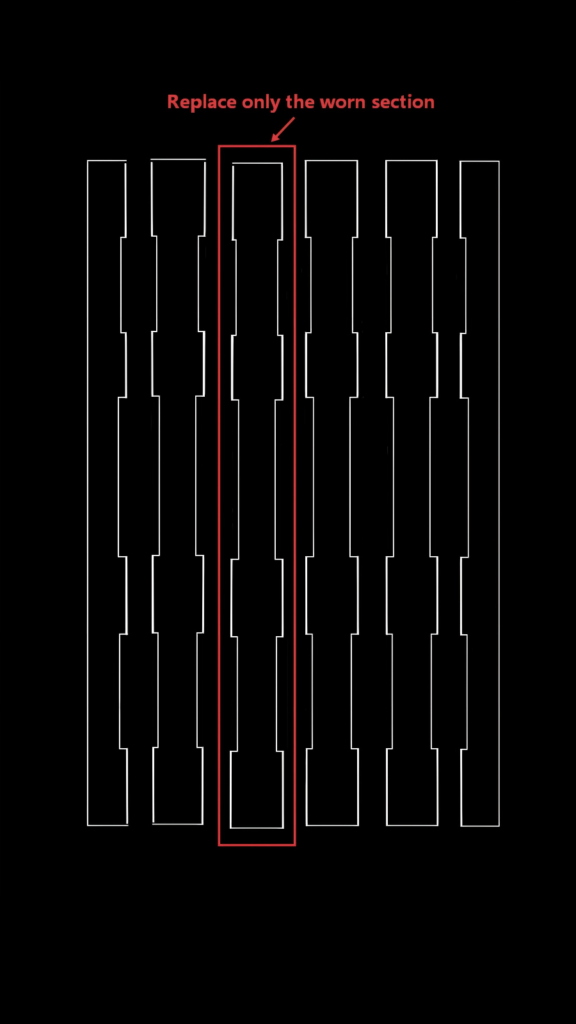
PG Grinding vs Wire EDM: A Practical Comparison
When comparing PG grinding vs wire EDM, the difference is not only about machining method, but also about design philosophy.
Wire EDM is often used to create complex shapes in one piece.
PG grinding, on the other hand, is well-suited for high-precision profiles and repeatable segments.
By combining segmented design with PG grinding, manufacturers can:
To better understand PG grinding, see our complete guide →
When to Consider Segmented Design
Segmented tooling design is not always necessary, but it becomes highly valuable when:
In many cases, this type of optimization is best considered during the quotation or design review stage.
Conclusion: Tooling Design Is About Long-Term Performance
Tooling is not just about how a part is made — it is about how it performs over time.
By rethinking the design approach and using segmented tooling combined with PG grinding, manufacturers can achieve better cost control, improved flexibility, and longer tool life.
If you are working on precision tooling or stamping components, it may be worth evaluating whether a segmented design approach can improve your current solution.
We often evaluate these design options during the quotation stage.
Feel free to send your drawings if you’d like to explore optimization possibilities.
 English
  Korean
  Japanese
  Spanish
  Portuguese
  French
  German