Subcontratista de precisión fiable para talleres de herramientas








Por qué algunos procesos de estampación nunca se estabilizan del todo
Algunos procesos de estampación funcionan, pero nunca se estabilizan realmente.
Los ajustes pueden mejorar el rendimiento temporalmente, pero las variaciones vuelven a aparecer. La calidad de los cantos fluctúa, el desgaste de la herramienta se vuelve irregular y los operarios están constantemente haciendo correcciones.
En muchos casos, el problema no es un único parámetro.
Es la interacción entre múltiples estaciones dentro de la matriz.
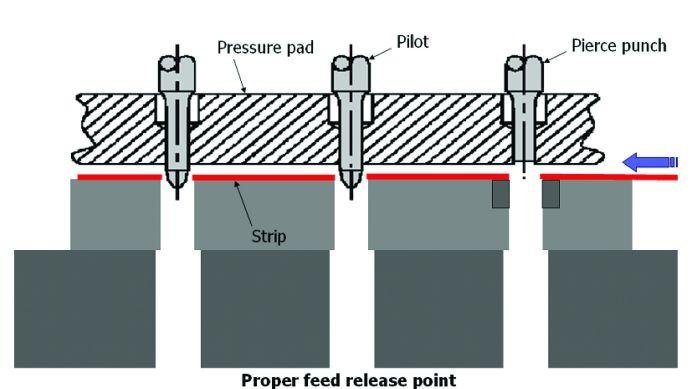
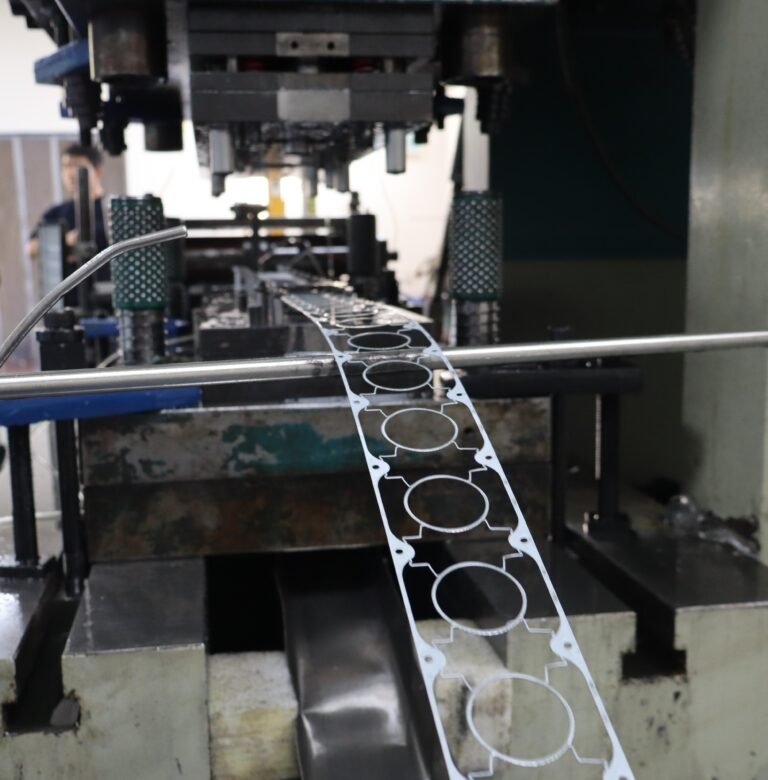
Si cada punzón se acopla al material de forma ligeramente diferente, ya sea en tiempo, ángulo o condición de contacto, el proceso pierde sincronización. En lugar de un flujo de carga suave y controlado, la fuerza empieza a desplazarse por la banda.
A velocidades más bajas, esto puede no ser obvio.
Pero a medida que aumenta la velocidad de producción, incluso las pequeñas incoherencias se amplifican. El sistema se vuelve más sensible y la variación, antes manejable, se convierte en inestabilidad.
Por eso algunos procesos nunca llegan a “asentarse” del todo.”
La estabilidad no siempre se consigue con una mayor optimización.
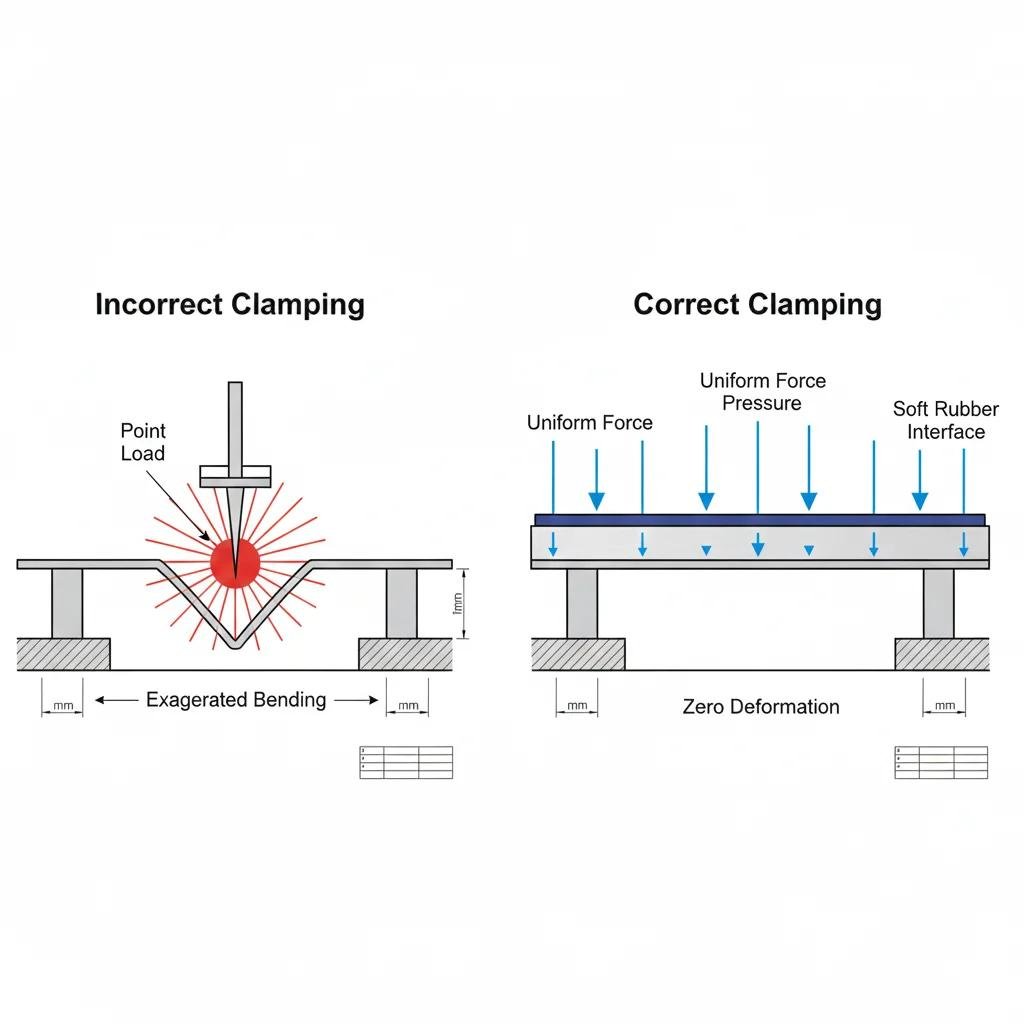
En muchas situaciones, se trata de reducir la variación, garantizando que cada estación se comporte de forma coherente, ciclo tras ciclo.
Un proceso predecible no es necesariamente el más optimizado, pero sí el más controlable.
Y en la producción, el control es lo que determina en última instancia el rendimiento.
Si observa problemas similares en sus herramientas, no dude en tender la mano - encantado de intercambiar ideas.

 English
  Korean
  Japanese
  Spanish
  Portuguese
  French
  German